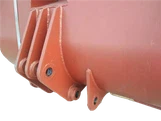
In the realm of heavy - duty industrial equipment, the 3 - Cubic Meter Bucket stands as a crucial tool, finding its application in a wide range of industries such as mining, construction, and waste management. As a supplier of these 3 - Cubic Meter Buckets, I am often asked about the shape of a typical bucket of this capacity. In this blog, I will delve into the various aspects of the shape of a 3 - Cubic Meter Bucket, exploring why it is designed the way it is and how different shapes can impact its performance.
The Basic Design Principles
The shape of a 3 - Cubic Meter Bucket is primarily determined by its intended use. However, there are some basic design principles that are common across most buckets. Firstly, the bucket needs to have a sufficient volume to hold 3 cubic meters of material. This volume is not just about the size but also how the space is utilized. A well - designed bucket will have a shape that allows for efficient filling and emptying of the material.
Most 3 - Cubic Meter Buckets have a wide opening at the front. This wide opening serves multiple purposes. It makes it easier to scoop up large amounts of material quickly. Whether it's loose soil in a construction site or ore in a mining operation, a wide opening allows the bucket to gather a large quantity of material in one pass. The front edge of the bucket is often reinforced and shaped in a way that can cut through the material smoothly. For example, a sharp, slightly curved edge can penetrate the ground or the pile of material more effectively, reducing the amount of force required to fill the bucket.
Common Shapes
Rectangular - shaped Buckets
Rectangular - shaped 3 - Cubic Meter Buckets are quite common, especially in construction and general earth - moving applications. These buckets have a simple and straightforward design. The rectangular shape provides a large flat bottom surface, which is ideal for leveling and spreading materials. When filling, the rectangular shape allows for a uniform distribution of the material inside the bucket. This is beneficial when the material needs to be transported and then spread evenly, such as when laying a foundation or filling a trench.
However, rectangular buckets may have some limitations. Their straight sides can sometimes cause the material to get stuck during emptying, especially if the material is sticky. To overcome this, some rectangular buckets are designed with a slight taper towards the back, which helps the material slide out more easily.
Curved - shaped Buckets
Curved - shaped 3 - Cubic Meter Buckets are often used in mining and heavy - duty applications. The curved shape is designed to follow the natural flow of the material. When scooping up material, the curved sides guide the material towards the center of the bucket, making it easier to fill. This shape also helps in reducing the stress on the bucket during the filling process.
In addition, curved buckets are more effective at handling irregularly - shaped materials. For example, in a mining operation where the ore may be in large chunks, the curved shape can adapt to the shape of the chunks better than a rectangular bucket. When it comes to emptying, the curved sides allow the material to roll out more smoothly, reducing the chances of blockages.
Impact of Shape on Performance
The shape of a 3 - Cubic Meter Bucket has a significant impact on its performance. A well - shaped bucket can increase productivity by reducing the time taken to fill and empty the bucket. For instance, a bucket with an optimized shape can complete more cycles in an hour, which means more material can be moved in a given period.
The shape also affects the wear and tear of the bucket. A bucket that is constantly subjected to excessive stress during filling and emptying will wear out faster. For example, if a bucket has sharp corners that catch the material during emptying, these corners will experience more abrasion and may need to be replaced more frequently. A smooth, well - rounded shape can distribute the stress more evenly, extending the lifespan of the bucket.
Specialized Shapes for Specific Applications
In some cases, 3 - Cubic Meter Buckets are designed with specialized shapes for specific applications. For example, in underground mining, the space is often limited. Buckets used in these environments may have a more compact and streamlined shape to maneuver through narrow tunnels. These buckets may also be designed to be more lightweight while still maintaining the necessary strength to carry 3 cubic meters of material.

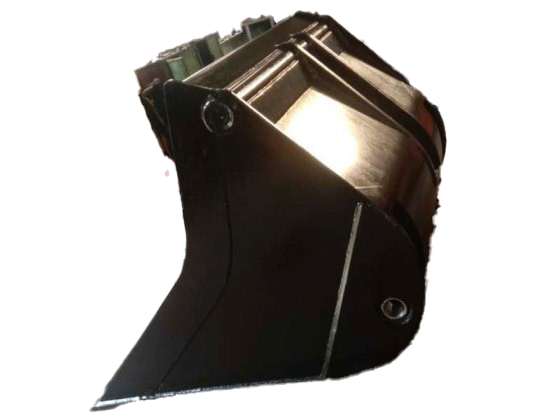
In waste management, buckets may have a shape that is designed to handle a variety of waste materials, including large and irregularly - shaped objects. The shape may include additional features such as teeth or claws to grip and break up the waste.
Related Products
If you are interested in other bucket sizes or specialized bucket designs, we also offer a range of related products. Check out our High Quality Mining Scraper Parts 6 Cubic Bucket for larger capacity needs. For underground mining operations, our 7 Cubic Meters Scooptram Bucket High Quality Underground Mining Machinery Parts provides high - quality performance. And if you need a large, wear - resistant bucket for industrial usage, our Large Scraper Rock Bucket For Industrial Usage With Wear - Resistant Design (Custom Specifications Support) is a great option.
Contact for Purchase and Negotiation
If you are in the market for a 3 - Cubic Meter Bucket or any of our related products, we encourage you to reach out to us. Our team of experts can provide you with detailed information about the product, including the shape options, materials used, and performance characteristics. We are also open to negotiation on price and custom - made solutions to meet your specific requirements.
References
- "Heavy Equipment Handbook" by Construction Equipment Guide
- "Mining Engineering Principles" by Hartman and Mutmansky