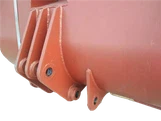
As a supplier of Low-profile Scrapers, I understand the importance of keeping the blade of a low-profile scraper in optimal condition. A dull blade not only reduces the efficiency of the scraper but also affects the quality of work. In this blog post, I will share some scientific and practical methods on how to prevent the blade of a low-profile scraper from dulling quickly.
Choose the Right Blade Material
The first step in preventing blade dullness is to select the appropriate blade material. Different materials have different hardness, wear resistance, and toughness, which directly affect the blade's lifespan. High-speed steel (HSS) is a popular choice for scraper blades due to its high hardness and wear resistance. It can withstand high temperatures and maintain its cutting edge for a relatively long time. Another option is carbide, which is even harder and more wear-resistant than HSS. Carbide blades are ideal for scraping hard materials such as concrete and metal. However, they are more expensive and brittle, so they need to be handled with care. When choosing a blade material, consider the type of material you will be scraping, the frequency of use, and your budget.
Proper Installation and Alignment
Proper installation and alignment of the blade are crucial for preventing premature dulling. A misaligned blade can cause uneven wear, leading to a dull edge. When installing the blade, make sure it is securely fastened and aligned with the scraper's cutting path. Follow the manufacturer's instructions carefully to ensure correct installation. Additionally, regularly check the blade's alignment during use and make adjustments as needed. A simple way to check alignment is to run the scraper over a flat surface and observe if the blade makes even contact. If you notice any uneven wear or skipping, it may be a sign of misalignment.
Use the Right Pressure
Applying the right amount of pressure is essential for maintaining the blade's sharpness. Too much pressure can cause the blade to wear out quickly, while too little pressure may result in inefficient scraping. When using a low-profile scraper, apply a steady and moderate pressure. Let the blade do the work, and avoid forcing it through the material. If you encounter a particularly tough spot, try using a different scraping technique or a more suitable blade. Remember, the goal is to remove the material smoothly without overworking the blade.
Keep the Blade Clean
Regular cleaning is an important part of blade maintenance. After each use, clean the blade to remove any debris, dirt, or residue. Use a soft brush or a clean cloth to wipe the blade clean. If the blade is heavily soiled, you can soak it in a mild cleaning solution and then rinse it thoroughly. Avoid using abrasive cleaners or tools that could damage the blade's surface. Additionally, dry the blade completely before storing it to prevent rust and corrosion. A clean blade not only performs better but also lasts longer.


Lubrication
Lubricating the blade can significantly reduce friction and wear, helping to prevent dullness. There are various types of lubricants available, such as oil-based lubricants and dry lubricants. Oil-based lubricants provide excellent protection against wear and corrosion, but they can attract dirt and debris. Dry lubricants, on the other hand, are cleaner and do not attract as much dirt. Choose a lubricant that is suitable for the type of material you are scraping and the operating conditions. Apply the lubricant according to the manufacturer's instructions, and make sure to cover the entire blade surface.
Regular Sharpening
Even with proper care, the blade of a low-profile scraper will eventually become dull. Regular sharpening is necessary to maintain its cutting performance. There are several ways to sharpen a scraper blade, including using a sharpening stone, a file, or a sharpening machine. If you are not experienced in sharpening blades, it may be a good idea to send the blade to a professional sharpening service. They have the expertise and equipment to sharpen the blade accurately and efficiently. When sharpening the blade, follow the correct angle and technique to ensure a sharp and durable edge.
Store the Scraper Properly
Proper storage is often overlooked but is essential for preventing blade dullness. When not in use, store the low-profile scraper in a dry and clean place. Avoid storing the scraper in a damp or humid environment, as this can cause rust and corrosion. You can use a blade guard or a protective case to prevent the blade from being damaged during storage. Additionally, make sure the scraper is stored in a way that does not put pressure on the blade.
Consider the Operating Environment
The operating environment can have a significant impact on the blade's lifespan. If you are scraping in a dusty or abrasive environment, the blade will wear out more quickly. In such cases, take extra precautions to protect the blade. You can use a dust collector to reduce the amount of dust and debris in the air. Additionally, consider using a blade with a higher wear resistance or a coating that provides extra protection against abrasion. If the operating environment is wet or corrosive, make sure to clean and dry the blade thoroughly after each use and apply a corrosion-resistant lubricant.
Training and Education
Proper training and education of the operators are essential for preventing blade dullness. Make sure your operators are familiar with the correct use and maintenance of the low-profile scraper. Provide them with training on how to install and align the blade, apply the right pressure, clean and lubricate the blade, and sharpen it when necessary. Encourage them to report any issues or concerns with the blade immediately. By investing in training and education, you can ensure that your operators are using the scraper correctly and prolonging the blade's lifespan.
In conclusion, preventing the blade of a low-profile scraper from dulling quickly requires a combination of proper blade selection, installation, use, maintenance, and storage. By following the tips and techniques outlined in this blog post, you can significantly extend the lifespan of your scraper blade and improve the efficiency and quality of your scraping work. If you are interested in purchasing a Low-profile Scraper, 2-cubic Meter Electric Scraper, or Underground Internal Combustion Scraper, please feel free to contact us for more information and to discuss your specific requirements. We are committed to providing high-quality scrapers and excellent customer service.
References
- Manufacturer's manuals for low-profile scrapers
- Industry standards and best practices for scraper blade maintenance
- Research papers on materials science and tribology related to scraper blades