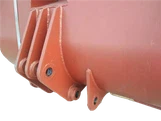
As a seasoned scraper bucket supplier, I've witnessed firsthand the critical role that compatibility plays in the performance and efficiency of construction equipment. The compatibility of a scraper bucket with different attachments is not just a technical detail; it's a fundamental aspect that can significantly impact project outcomes. In this blog, I'll delve into the intricacies of this compatibility, exploring the factors to consider and the benefits of making the right choices.
Understanding Scraper Bucket Compatibility
Scraper buckets are designed to perform a variety of tasks, from digging and loading to transporting and dumping materials. To enhance their functionality, they can be paired with different attachments, such as side support frames, teeth, and cutting edges. However, not all attachments are created equal, and their compatibility with a specific scraper bucket depends on several factors.
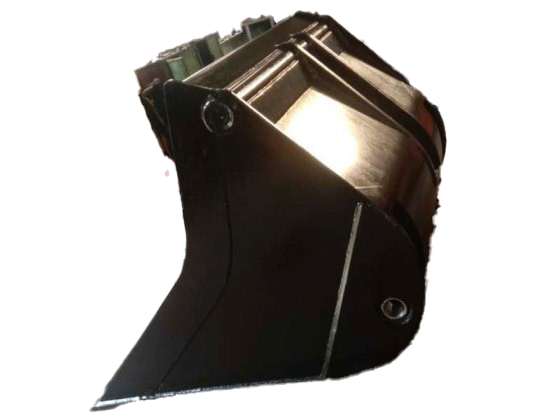
One of the primary considerations is the size and capacity of the scraper bucket. Different attachments are designed to work with buckets of specific sizes and capacities. For example, a 1-cubic Meter Side Support Frame is tailored to fit a 1-cubic meter bucket, providing additional support and stability during operation. Using an attachment that is not compatible with the bucket's size can lead to poor performance, increased wear and tear, and even safety hazards.
Another important factor is the mounting system of the attachment. Scraper buckets and attachments typically use a standardized mounting system to ensure a secure and reliable connection. It's crucial to ensure that the attachment's mounting system is compatible with the bucket's mounting points. This may involve checking the size, shape, and spacing of the mounting holes or using an adapter if necessary.
The material and construction of the attachment also play a significant role in compatibility. Attachments are often subjected to high levels of stress and wear during operation, so they need to be made from durable materials that can withstand the rigors of the job. Additionally, the design of the attachment should be compatible with the bucket's structure and operating conditions. For example, a tooth attachment for a scraper bucket used in rocky terrain may need to be made from a harder and more wear-resistant material than one used in softer soil.
Benefits of Compatible Attachments
Using compatible attachments with a scraper bucket offers several benefits, both in terms of performance and cost-effectiveness.
Improved Performance
Compatible attachments are designed to work seamlessly with the scraper bucket, enhancing its functionality and efficiency. For example, a properly sized side support frame can increase the bucket's stability, allowing it to carry more material without tipping over. Teeth attachments can improve the bucket's digging ability, making it easier to penetrate hard or compacted soil. By using the right attachments, operators can complete tasks more quickly and with less effort, resulting in increased productivity on the job site.

Extended Equipment Lifespan
When attachments are compatible with the scraper bucket, they reduce the stress and wear on the equipment. This can help to extend the lifespan of both the bucket and the attachments, reducing the need for frequent replacements and repairs. For example, using a cutting edge that is the correct size and shape for the bucket can prevent uneven wear and damage to the bucket's edges, ensuring that it remains in good condition for longer.
Cost Savings
While compatible attachments may require a higher upfront investment, they can ultimately save money in the long run. By improving performance and extending equipment lifespan, they reduce the overall cost of ownership. Additionally, using compatible attachments can help to avoid costly downtime due to equipment failures or malfunctions. For example, a poorly fitting attachment may cause the bucket to operate inefficiently, leading to increased fuel consumption and maintenance costs.
Common Types of Attachments and Their Compatibility
Let's take a closer look at some of the common types of attachments used with scraper buckets and their compatibility requirements.
Side Support Frames
Side support frames are used to provide additional stability and support to the scraper bucket, especially when carrying heavy loads. They are typically made from steel and are available in different sizes to fit various bucket capacities. As mentioned earlier, it's essential to choose a side support frame that is specifically designed for the bucket's size. For example, a 2.3-cubic Meter Bucket would require a side support frame that is sized accordingly to ensure a proper fit and optimal performance.
Teeth Attachments
Teeth attachments are used to improve the bucket's digging ability, especially in hard or compacted soil. They come in various shapes and sizes, each designed for specific applications. When choosing teeth attachments, it's important to consider the type of soil or material being excavated, as well as the bucket's size and design. For example, a 1.5-cubic Meter Bucket used in rocky terrain may require a different type of tooth attachment than one used in sandy soil.
Cutting Edges
Cutting edges are used to protect the bucket's edges and improve its cutting performance. They are typically made from high-strength steel and are available in different thicknesses and shapes. When selecting a cutting edge, it's important to ensure that it is the correct size and shape for the bucket. A cutting edge that is too wide or too narrow may not fit properly, leading to uneven wear and reduced performance.
Ensuring Compatibility
To ensure the compatibility of a scraper bucket with different attachments, it's important to follow these steps:
Research and Consultation
Before purchasing an attachment, conduct thorough research to understand its compatibility requirements. Consult with the attachment manufacturer or a knowledgeable supplier to get expert advice on the best attachment for your specific scraper bucket. They can provide information on the attachment's size, mounting system, and material, as well as any compatibility issues that may arise.
Check the Specifications
Carefully review the specifications of both the scraper bucket and the attachment to ensure that they are compatible. Pay attention to details such as the bucket's capacity, mounting points, and dimensions, as well as the attachment's size, shape, and mounting requirements. If necessary, use a measuring tape or other tools to verify the compatibility.
Test the Attachment
If possible, test the attachment with the scraper bucket before using it on a job site. This can help to identify any compatibility issues and ensure that the attachment functions properly. During the test, pay attention to how the attachment fits on the bucket, how it performs during operation, and whether there are any signs of stress or wear.
Conclusion
The compatibility of a scraper bucket with different attachments is a crucial factor that can significantly impact the performance and efficiency of construction equipment. By understanding the factors that affect compatibility and choosing the right attachments, operators can improve performance, extend equipment lifespan, and save money in the long run. As a scraper bucket supplier, I'm committed to providing high-quality products and expert advice to help our customers make the best choices for their specific needs. If you're interested in learning more about our scraper buckets and attachments or have any questions about compatibility, please don't hesitate to contact us. We're here to help you find the perfect solution for your construction projects.
References
- Construction Equipment Magazine. (2023). "Best Practices for Selecting Scraper Bucket Attachments."
- Manufacturer's Manuals for Scraper Buckets and Attachments.