Can a Scraper Bucket be Used in Tunnel Construction?
Tunnel construction is a complex and challenging engineering feat that requires a wide range of specialized equipment to ensure efficiency, safety, and quality. One such piece of equipment that often comes into question for its suitability in tunnel construction is the scraper bucket. As a scraper bucket supplier, I have had numerous discussions with construction professionals about the potential uses and limitations of scraper buckets in tunnel projects. In this blog post, I will delve into the details of whether a scraper bucket can be effectively used in tunnel construction.
Understanding Scraper Buckets
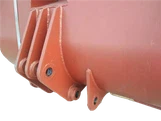
Before we discuss the applicability of scraper buckets in tunnel construction, it's important to understand what they are and how they work. A scraper bucket is a large, heavy - duty container attached to a scraper machine. The primary function of a scraper bucket is to scoop up, transport, and deposit large volumes of material such as soil, gravel, or rock. Scraper buckets come in various sizes and capacities, designed to meet different project requirements. For instance, we offer 3.5 - cubic Meter Bucket and 4 - cubic Meter Bucket which are suitable for medium - scale projects, and 7 Cubic Meters Scooptram Bucket High Quality Underground Mining Machinery Parts for larger - scale operations.
Advantages of Using Scraper Buckets in Tunnel Construction
Efficient Material Handling
One of the most significant advantages of using a scraper bucket in tunnel construction is its ability to handle large volumes of material quickly. During the excavation phase of a tunnel project, a vast amount of soil, rock, and debris needs to be removed from the tunnel. A scraper bucket can scoop up a large quantity of this material in a single pass, reducing the number of trips required to transport the material out of the tunnel. This not only saves time but also increases the overall productivity of the project.
Versatility
Scraper buckets are highly versatile tools. They can be used for a variety of tasks in tunnel construction, including excavation, backfilling, and leveling. For example, after the initial excavation of the tunnel, the scraper bucket can be used to backfill the area around the tunnel lining with soil or gravel, providing support to the structure. Additionally, it can be used to level the floor of the tunnel, ensuring a smooth surface for further construction work.
Cost - Effectiveness
In the long run, using a scraper bucket can be a cost - effective solution for tunnel construction projects. Since it can handle large volumes of material efficiently, it reduces the need for multiple smaller pieces of equipment. This means lower equipment rental or purchase costs, as well as reduced labor costs associated with operating and maintaining multiple machines.
Challenges and Limitations
Space Constraints
Tunnels often have limited space, which can pose a challenge when using a scraper bucket. The size of the scraper machine and the bucket itself may make it difficult to maneuver in narrow tunnels. In some cases, the machine may not be able to turn around easily, requiring additional space to be created or alternative methods of material handling to be used.
Ventilation Requirements
Scraper machines generate dust and exhaust fumes during operation. In a tunnel environment, proper ventilation is crucial to ensure the safety of the workers. The use of a scraper bucket may require additional ventilation systems to be installed to remove the dust and fumes, which can add to the project costs.
Ground Conditions
The ground conditions inside a tunnel can vary greatly. Soft or unstable ground may cause the scraper machine to sink or become stuck, making it difficult to operate the bucket effectively. In such cases, additional ground stabilization measures may be required, which can increase the complexity and cost of the project.
Mitigating the Challenges
Customization
To overcome the space constraints in tunnels, scraper buckets can be customized to fit the specific dimensions of the tunnel. We offer customization services to ensure that our scraper buckets can be used in even the most challenging tunnel environments. By reducing the size of the bucket or modifying the design of the scraper machine, we can improve its maneuverability in narrow spaces.


Advanced Ventilation Systems
To address the ventilation requirements, advanced ventilation systems can be installed in the tunnel. These systems can effectively remove the dust and exhaust fumes generated by the scraper machine, ensuring a safe working environment for the workers.
Ground Improvement Techniques
In cases where the ground conditions are poor, various ground improvement techniques can be employed. These may include soil stabilization using grouting or the installation of ground anchors to provide additional support to the ground.
Conclusion
In conclusion, a scraper bucket can be a valuable asset in tunnel construction. Its efficiency, versatility, and cost - effectiveness make it a viable option for many tunnel projects. However, it is important to be aware of the challenges and limitations associated with its use, such as space constraints, ventilation requirements, and ground conditions. By taking appropriate measures to mitigate these challenges, such as customization, advanced ventilation systems, and ground improvement techniques, the scraper bucket can be used effectively in tunnel construction.
If you are considering using a scraper bucket for your tunnel construction project, we would be more than happy to discuss your specific requirements. Our team of experts can provide you with detailed information about our products and services, as well as offer customized solutions to meet your needs. Contact us today to start the conversation about how our scraper buckets can enhance the efficiency and productivity of your tunnel construction project.
References
- "Tunnel Construction Technology" by National Academy of Engineering
- "Material Handling in Construction Projects" by Construction Industry Institute