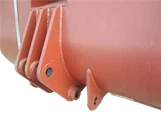
Hey there! As a scraper bucket supplier, I've seen firsthand how important it is to store these things right. You know, a scraper bucket isn't just any old piece of equipment; it's a key part of a lot of heavy - duty jobs, like construction, mining, and agriculture. And if you don't store it properly, you could end up with a bucket that's rusty, dented, or just plain not working right. So, let's dive into what I think is the best way to store a scraper bucket.
First Things First: Clean It Up
Before you even think about storing your scraper bucket, you gotta clean it. I mean, really clean it. When you're out in the field, scraping up all kinds of stuff, dirt, mud, and debris can build up inside and outside the bucket. This gunk can cause corrosion over time, especially if there are any small scratches or chips in the paint.
Start by using a high - pressure water hose to blast away as much of the loose dirt as you can. If there are stubborn bits of mud or other materials stuck to the bucket, you might need to use a wire brush or a scraper to get them off. After that, use a mild detergent to give the bucket a good wash. Make sure to rinse it thoroughly to get rid of all the soap.
Once it's clean, dry the bucket completely. You can let it air dry in the sun if the weather's nice, or use a clean cloth to wipe it down. This step is crucial because any leftover moisture can lead to rust. Trust me, I've seen buckets that were ruined because they were stored wet.
Choose the Right Location
Now, where you store your scraper bucket matters a whole lot. You want a place that's dry, sheltered, and secure. A warehouse or a covered storage shed is ideal. If you don't have access to one of those, at least try to find a spot that's protected from the elements, like under a large tarp.
Avoid storing the bucket outside in the open for long periods. Rain, snow, and extreme temperatures can do a number on it. For example, if it gets too cold, water that's trapped inside the bucket can freeze and expand, causing cracks. And in hot, humid weather, the bucket is more likely to rust.
If you're storing multiple buckets, make sure there's enough space between them. You don't want them knocking into each other and causing dents or scratches. You can use wooden blocks or other spacers to keep them separated.
Protect the Surface
The surface of the scraper bucket is its first line of defense against damage. After cleaning and drying, consider applying a protective coating. There are special paints and coatings designed for heavy - duty equipment that can help prevent rust and corrosion.
You can also use a rust inhibitor spray. Just make sure to follow the manufacturer's instructions when applying it. Another option is to cover the bucket with a tarp or a plastic sheet. This will add an extra layer of protection against dust, dirt, and moisture.
Store It in the Right Position
How you position the scraper bucket during storage is also important. It's best to store it in an upright position if possible. This helps prevent any water from pooling inside the bucket, which can lead to rust. If you can't store it upright, make sure it's tilted in a way that allows any water to drain out.
If the bucket has any moving parts, like a hinge or a hydraulic cylinder, make sure they're properly lubricated before storage. This will prevent them from seizing up over time. You can use a high - quality lubricant recommended by the manufacturer.
Check on It Regularly
Storing the bucket is just the first step. You need to check on it regularly, especially if it's going to be in storage for a long time. Every few weeks, take a look at the bucket to make sure there are no signs of rust, damage, or other issues.
If you notice any problems, address them right away. For example, if you see a small spot of rust, you can use a wire brush to remove it and then apply a touch - up paint or rust inhibitor. By catching these issues early, you can prevent them from getting worse and potentially ruining the bucket.
Different Sizes, Different Considerations
We offer different sizes of scraper buckets, like the 0.75 - cubic Meter Bucket, the 1.5 - cubic Meter Bucket, and the 7 Cubic Meters Scooptram Bucket High Quality Underground Mining Machinery Parts. Larger buckets might require more space for storage and could be a bit more challenging to handle. You might need to use a forklift or other heavy - duty equipment to move them into the storage area.
Smaller buckets, on the other hand, are more portable but can still be damaged if not stored properly. They're also easier to misplace, so make sure to keep them in a designated area where they can be easily found.


Final Thoughts and Call to Action
Storing a scraper bucket correctly is all about taking a few simple steps to protect your investment. By cleaning it, choosing the right location, protecting the surface, storing it in the right position, and checking on it regularly, you can ensure that your bucket stays in good condition for a long time.
If you're in the market for a new scraper bucket, whether it's a small 0.75 - cubic meter one or a large 7 - cubic - meter scooptram bucket, we've got you covered. We offer high - quality scraper buckets that are built to last. If you have any questions or want to discuss your specific needs, don't hesitate to reach out. We're here to help you find the perfect bucket for your job and give you all the advice you need on how to take care of it.
References
- "Equipment Maintenance Handbook" by a well - known industry expert
- Manufacturer's guidelines for scraper bucket maintenance and storage