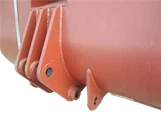
As a supplier of high - quality scrapers, I've had numerous conversations with clients about the costs related to using professional scrapers. Understanding these costs is crucial for businesses in the mining and construction industries, as it allows for better budgeting and decision - making. In this blog, I'll break down the various costs associated with using a professional scraper.
Initial Purchase Cost
The first and most obvious cost is the initial purchase price of the scraper. Professional scrapers come in a wide range of models and specifications, each with its own price tag. For instance, our Professional Mine Scoop Factory - produced Underground Scraper For Mining is designed for the harsh underground mining environment. It has advanced features such as high - power engines, durable buckets, and state - of - the - art control systems. These features contribute to its relatively high initial cost compared to some basic models.
On the other hand, our Low - profile Scraper is more suitable for applications where space is limited. It may have a lower initial purchase price due to its more compact design and less complex functionality. However, it still maintains a high level of performance and reliability.
When considering the initial purchase cost, it's important to not just look at the sticker price. You should also factor in the long - term value that the scraper will bring to your operations. A more expensive but high - quality scraper may have a lower total cost of ownership over its lifespan due to fewer breakdowns and better productivity.
Operating Costs
Fuel and Energy
Fuel is one of the major ongoing costs when using a professional scraper. The amount of fuel consumed depends on several factors, including the size and power of the engine, the load it is carrying, and the operating conditions. For example, if the scraper is working in a hilly or rough terrain, it will require more energy to move the load, resulting in higher fuel consumption.

To reduce fuel costs, some of our scrapers are equipped with energy - efficient engines and advanced fuel management systems. These technologies optimize the fuel - air mixture and engine performance, ensuring that the scraper uses fuel more efficiently.
Maintenance and Repairs
Regular maintenance is essential to keep the scraper in good working condition. This includes tasks such as oil changes, filter replacements, and inspections of the hydraulic and electrical systems. The cost of maintenance can vary depending on the complexity of the scraper and the frequency of use.
In addition to routine maintenance, unexpected breakdowns can also occur, leading to repair costs. To minimize these costs, we offer comprehensive maintenance plans and high - quality spare parts. Our technicians are trained to quickly diagnose and fix any problems, reducing the downtime of the scraper.
Labor
The cost of labor is another significant operating expense. You need to hire trained operators to run the scraper safely and efficiently. The salary of these operators depends on their level of experience and the local labor market.
To reduce labor costs, some of our scrapers are designed with user - friendly controls and automation features. These features make it easier for operators to learn and operate the scraper, potentially reducing the need for highly skilled and expensive operators.
Training Costs
Proper training is crucial for the safe and efficient operation of a professional scraper. Training costs include the cost of hiring trainers, providing training materials, and the time spent by the operators away from their regular work.
We offer training programs for our customers to ensure that their operators are well - versed in the operation and maintenance of our scrapers. Our training programs cover everything from basic safety procedures to advanced troubleshooting techniques. By investing in training, you can improve the productivity of your scraper and reduce the risk of accidents.
Depreciation
Depreciation is the decrease in the value of the scraper over time. As the scraper ages and is used, its market value will decline. This is an important cost to consider, especially if you plan to sell or trade in the scraper in the future.
The rate of depreciation depends on several factors, including the initial purchase price, the quality of the scraper, and the market demand for used scrapers. High - quality scrapers tend to depreciate at a slower rate, as they are more likely to maintain their performance and reliability over time.
Environmental Costs
In today's environmentally conscious world, there are also environmental costs associated with using a professional scraper. These costs can include emissions fees, waste disposal fees, and the cost of implementing environmental protection measures.
Our scrapers are designed to meet or exceed environmental regulations. For example, they are equipped with emission - control devices to reduce the amount of pollutants released into the atmosphere. By using our scrapers, you can minimize your environmental impact and potentially avoid costly environmental fines.
Total Cost of Ownership
To get a clear picture of the costs associated with using a professional scraper, you need to consider the total cost of ownership (TCO). The TCO includes the initial purchase cost, operating costs, training costs, depreciation, and environmental costs over the entire lifespan of the scraper.
Calculating the TCO allows you to make a more informed decision when choosing a scraper. It helps you compare different models and brands based on their long - term costs rather than just the initial price.
Conclusion
Using a professional scraper involves a variety of costs, from the initial purchase price to the ongoing operating, training, and environmental costs. As a scraper supplier, we understand the importance of helping our customers manage these costs effectively.
If you're in the market for a professional scraper and want to learn more about the costs and how we can help you reduce them, we invite you to contact us for a detailed discussion. Our team of experts is ready to assist you in choosing the right scraper for your needs and providing you with the best solutions to optimize your costs.
References
- Mining Equipment Handbook. Publisher: [Publisher Name], Year: [Year]
- Construction Machinery Cost Analysis Report. Author: [Author Name], Year: [Year]
- Environmental Regulations for Mining Equipment. Source: [Source Name], Year: [Year]