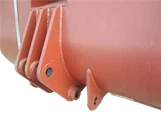
As a supplier of Mine Truck Rear Frames, I've witnessed firsthand the challenges that mine operators face when it comes to maintaining the structural integrity of these crucial components. Cracks in a mine truck rear frame can lead to significant safety risks, costly downtime, and reduced productivity. In this blog post, I'll share some insights and strategies on how to prevent cracks in a mine truck rear frame based on my experience in the industry.
Understanding the Causes of Cracks
Before we delve into prevention strategies, it's essential to understand the common causes of cracks in mine truck rear frames. These causes can be broadly categorized into three main areas: design and manufacturing, operating conditions, and maintenance practices.
Design and Manufacturing
- Material Selection: The choice of materials for the rear frame is critical. Low-quality or inappropriate materials may not have the necessary strength and durability to withstand the heavy loads and harsh operating conditions in mining environments. For example, if the steel used has a low yield strength, it may be more prone to cracking under stress.
- Welding Defects: Welding is a common method used in the fabrication of mine truck rear frames. Poor welding techniques, such as improper penetration, lack of fusion, or the presence of porosity, can create weak points in the frame where cracks are likely to initiate.
- Design Flaws: A poorly designed rear frame may have stress concentrations in certain areas. For instance, sharp corners or sudden changes in cross-section can cause stress to build up, increasing the likelihood of crack formation.
Operating Conditions
- Overloading: One of the most significant factors contributing to cracks in mine truck rear frames is overloading. When a mine truck is loaded beyond its recommended capacity, the rear frame is subjected to excessive stress, which can lead to fatigue cracking over time.
- Rough Terrain: Mining operations often take place in rough and uneven terrain. Constant exposure to bumps, shocks, and vibrations can cause the rear frame to experience dynamic loading, which can accelerate crack growth.
- Corrosion: The mining environment is often harsh and corrosive, with exposure to moisture, chemicals, and abrasive materials. Corrosion can weaken the structure of the rear frame, making it more susceptible to cracking.
Maintenance Practices
- Lack of Inspection: Regular inspections are crucial for detecting early signs of cracks in the rear frame. If inspections are not carried out frequently enough or are not thorough, small cracks may go unnoticed and grow into larger, more serious problems.
- Inadequate Repairs: When cracks are detected, it's essential to repair them properly. Using improper repair methods or materials can lead to further damage and the recurrence of cracks.
- Lack of Lubrication: Some components of the rear frame, such as joints and bearings, require proper lubrication to reduce friction and wear. Without adequate lubrication, these components can experience increased stress, which can contribute to crack formation.
Prevention Strategies
Now that we understand the causes of cracks in mine truck rear frames, let's explore some strategies for preventing them.


Design and Manufacturing Improvements
- Material Selection: As a supplier, we ensure that we use high-quality materials with the appropriate strength and durability for the specific application. We work closely with our material suppliers to source the best materials and conduct rigorous testing to ensure their quality.
- Welding Quality Control: We have strict quality control measures in place during the welding process. Our welders are highly trained and certified, and we use advanced welding techniques and equipment to ensure proper penetration, fusion, and minimal porosity.
- Design Optimization: Our engineering team uses advanced computer-aided design (CAD) and finite element analysis (FEA) tools to optimize the design of our Mine Truck Rear Frames. We aim to minimize stress concentrations and ensure a uniform distribution of stress throughout the frame.
Operating Practices
- Load Management: We educate our customers on the importance of load management. We provide clear guidelines on the maximum load capacity of our mine truck rear frames and encourage the use of load monitoring systems to prevent overloading.
- Route Planning: To reduce the impact of rough terrain, we recommend that mine operators plan their routes carefully. Avoiding areas with extreme bumps and uneven surfaces can help minimize the dynamic loading on the rear frame.
- Corrosion Protection: We offer various corrosion protection options for our mine truck rear frames, such as coatings and galvanization. These protective measures can help extend the lifespan of the frame and reduce the risk of corrosion-induced cracking.
Maintenance Practices
- Regular Inspections: We recommend that our customers conduct regular inspections of their mine truck rear frames. These inspections should include visual inspections, non-destructive testing (NDT) methods such as ultrasonic testing and magnetic particle testing, and dimensional checks.
- Proper Repairs: When cracks are detected, we provide detailed repair guidelines and offer repair services if needed. Our repair procedures are based on industry best practices and ensure that the repaired frame meets the original design specifications.
- Lubrication and Maintenance Schedule: We provide a comprehensive lubrication and maintenance schedule for our mine truck rear frames. Following this schedule can help ensure that all components are properly lubricated and maintained, reducing the risk of wear and stress-induced cracking.
The Importance of Collaboration
Preventing cracks in mine truck rear frames requires a collaborative effort between the suppliers, mine operators, and maintenance teams. As a supplier, we are committed to working closely with our customers to provide them with the best products and support. We offer training programs on the proper use, maintenance, and inspection of our Mine Truck Rear Frames to ensure that they are used and maintained correctly.
Mine operators play a crucial role in preventing cracks by following the recommended operating practices and maintenance schedules. They should also provide feedback to the suppliers on any issues or concerns they encounter, which can help us improve our products and services.
Maintenance teams are responsible for carrying out the day-to-day inspections and repairs. They should be trained in the latest inspection and repair techniques and have access to the necessary tools and equipment.
Conclusion
Preventing cracks in a mine truck rear frame is essential for ensuring the safety, reliability, and productivity of mining operations. By understanding the causes of cracks and implementing the appropriate prevention strategies, we can significantly reduce the risk of crack formation and extend the lifespan of the rear frame.
As a supplier of Mine Truck Rear Frames, we are dedicated to providing high-quality products and comprehensive support to our customers. If you are interested in learning more about our products or have any questions about preventing cracks in mine truck rear frames, please feel free to contact us for a procurement discussion. We look forward to working with you to meet your mining equipment needs.
References
- Industry standards and guidelines for mine truck design and maintenance
- Technical literature on materials science and engineering related to mining equipment
- Case studies and research on the causes and prevention of cracks in heavy machinery components