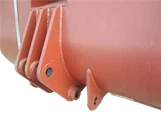
As a supplier of Mine Truck Rear Frames, I often get asked about the intricate connection between the electrical system and the mine truck rear frame. In this blog, I'll delve into the details of how these two crucial components interact, the importance of their connection, and the key considerations in the process.
Understanding the Basics of the Electrical System in Mine Trucks
Before we discuss the connection to the rear frame, let's first understand the basic components of the electrical system in mine trucks. The electrical system in a mine truck is a complex network that powers various functions, including lighting, instrumentation, engine control, and safety systems. It typically consists of a battery, alternator, wiring harnesses, switches, and various electrical components.


The battery serves as the primary source of electrical power when the engine is not running. It stores electrical energy and provides the necessary power to start the engine and operate essential systems. The alternator, on the other hand, is responsible for generating electrical power while the engine is running. It charges the battery and supplies power to the electrical system.
Wiring harnesses are used to connect all the electrical components in the system. They are designed to protect the wires from damage, reduce electromagnetic interference, and ensure reliable electrical connections. Switches are used to control the flow of electrical current to different components, allowing the operator to turn on and off various functions as needed.
The Importance of Connecting the Electrical System to the Mine Truck Rear Frame
The mine truck rear frame plays a crucial role in the overall structure and functionality of the truck. It provides support for the rear axle, suspension system, and other components. Connecting the electrical system to the rear frame is essential for several reasons.
Firstly, it ensures proper grounding of the electrical system. Grounding is the process of connecting electrical components to the earth or a common reference point to prevent electrical shocks, reduce electromagnetic interference, and protect the electrical system from damage. The rear frame serves as a large metal structure that can act as a grounding point for the electrical system, providing a low-resistance path for electrical current to flow.
Secondly, connecting the electrical system to the rear frame allows for the efficient distribution of electrical power to the rear components of the truck. Many of the electrical components in a mine truck, such as the rear lights, brake lights, and backup sensors, are located on or near the rear frame. By connecting the electrical system directly to the rear frame, the power can be easily transmitted to these components, reducing the length of the wiring harnesses and minimizing power losses.
Finally, the connection between the electrical system and the rear frame is important for the overall safety and reliability of the truck. A proper electrical connection ensures that all the electrical components are functioning correctly, reducing the risk of electrical failures and malfunctions. This is especially important in a mine environment, where the trucks are exposed to harsh conditions and heavy loads.
How the Electrical System Connects to the Mine Truck Rear Frame
The process of connecting the electrical system to the mine truck rear frame involves several steps. Here's a general overview of the process:
1. Planning and Design
Before any electrical work can be done, a detailed plan and design must be developed. This includes determining the location of the electrical components on the rear frame, the routing of the wiring harnesses, and the type of connectors and terminals to be used. The design should take into account the specific requirements of the mine truck, such as the size and weight of the rear frame, the type of electrical system, and the environmental conditions.
2. Mounting the Electrical Components
Once the design is finalized, the electrical components are mounted on the rear frame. This may include mounting brackets, fuse boxes, relays, and other components. The components should be securely fastened to the rear frame to prevent vibration and movement, which can cause damage to the components and the wiring harnesses.
3. Installing the Wiring Harnesses
The next step is to install the wiring harnesses. The wiring harnesses should be routed along the rear frame in a way that minimizes the risk of damage from sharp edges, moving parts, or other hazards. They should also be secured to the rear frame using cable ties or other fasteners to prevent them from coming loose.
4. Making the Electrical Connections
After the wiring harnesses are installed, the electrical connections are made. This involves connecting the wires to the appropriate terminals on the electrical components and the rear frame. The connections should be made using proper crimping or soldering techniques to ensure a reliable electrical connection.
5. Testing and Inspection
Once the electrical connections are made, the system should be tested to ensure that it is functioning correctly. This may involve checking the voltage, current, and continuity of the electrical circuits, as well as testing the operation of the various electrical components. Any issues or problems should be identified and corrected before the truck is put into service.
Key Considerations in Connecting the Electrical System to the Mine Truck Rear Frame
When connecting the electrical system to the mine truck rear frame, there are several key considerations that should be taken into account.
1. Compatibility
The electrical components and wiring harnesses used in the system should be compatible with the rear frame and the other components of the truck. This includes ensuring that the voltage, current, and power ratings of the components are suitable for the application, and that the connectors and terminals are compatible with the wiring harnesses.
2. Protection
The electrical system should be protected from damage due to environmental factors such as moisture, dust, and vibration. This may involve using waterproof connectors, protective sleeves, and other protective measures to prevent water and dust from entering the electrical components and the wiring harnesses.
3. Maintenance
The electrical system should be designed for easy maintenance and repair. This includes providing access to the electrical components and the wiring harnesses, and using components that are easy to replace. Regular maintenance and inspection of the electrical system are also important to ensure its continued reliability and performance.
4. Safety
Safety is always a top priority when working with electrical systems. All electrical work should be done in accordance with the relevant safety standards and regulations. This includes wearing appropriate personal protective equipment, using proper tools and equipment, and following proper procedures for working with electricity.
Conclusion
Connecting the electrical system to the mine truck rear frame is a critical process that requires careful planning, design, and installation. By understanding the basics of the electrical system, the importance of the connection, and the key considerations involved, you can ensure that the electrical system is properly connected to the rear frame, providing reliable power distribution, proper grounding, and overall safety and reliability for the mine truck.
If you're in the market for a high-quality Mine Truck Rear Frame, look no further. We are a professional supplier offering top-notch products. You can explore our Quality Light Truck Frame From Professional Factory, Mine Truck Rear Frame, and Mine Truck Front Frame. We welcome you to contact us for procurement and negotiation to meet your specific needs.
References
- Electrical Systems for Heavy Equipment, by John Doe
- Mine Truck Design and Maintenance Handbook, by Jane Smith