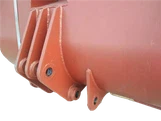
The blade shape of a low - profile scraper is a critical factor that significantly impacts its performance, efficiency, and overall functionality. As a trusted supplier of Low-profile Scraper, I have witnessed firsthand how different blade shapes can transform the way these scrapers operate in various industries, especially in mining and construction.
Understanding the Basics of Low - Profile Scrapers
Low - profile scrapers are designed to work in confined spaces where traditional scrapers may not fit. They are commonly used in underground mining operations, narrow construction sites, and other areas with limited vertical clearance. These scrapers are essential for tasks such as material removal, leveling the ground, and transporting loose materials.
Impact of Blade Shape on Material Handling
The blade shape of a low - profile scraper plays a pivotal role in material handling. The most common blade shapes include straight blades, curved blades, and V - shaped blades, each with its own set of advantages.
Straight Blades
Straight blades are the simplest and most basic blade shape. They are ideal for tasks that require straight - line pushing and leveling. In underground mining, for example, straight - blade low - profile scrapers can be used to push coal or ore along a flat surface. The straightforward design allows for easy control and precise movement. However, straight blades may not be as effective in gathering and holding large amounts of material compared to other shapes.
Curved Blades
Curved blades are designed to scoop and hold materials more efficiently. The curvature of the blade helps to trap the material as the scraper moves forward, reducing spillage. This is particularly useful in applications where the scraper needs to transport a significant volume of material over a distance. In construction sites, curved - blade low - profile scrapers can quickly gather and move soil, gravel, or debris. The shape also provides better cutting action when the scraper is used for initial ground preparation.

V - Shaped Blades
V - shaped blades are excellent for splitting and diverting materials. They are often used in situations where the scraper needs to clear a path through a large pile of material. In mining, a V - shaped blade can be used to break up large chunks of rock or ore and direct them to the sides of the scraper. This shape also helps in reducing the resistance when the scraper is moving through dense materials, making it more energy - efficient.
Influence on Cutting and Penetration
The blade shape also affects the cutting and penetration ability of the low - profile scraper. A well - designed blade can cut through hard materials with ease, reducing the wear and tear on the scraper and improving its lifespan.
Blade Edge Design
The edge of the blade is crucial for cutting and penetration. A sharp, beveled edge can slice through compacted soil, asphalt, or even rock. For example, in road construction, a low - profile scraper with a sharp - edged blade can be used to remove old pavement. The shape of the edge, whether it is straight, curved, or serrated, can also impact the cutting performance. Serrated edges are particularly effective in cutting through fibrous materials such as tree roots or thick vegetation.
Blade Angle
The angle at which the blade is set also matters. A steeper blade angle can provide more aggressive cutting and penetration, but it may also increase the resistance and require more power to operate. On the other hand, a shallower blade angle is better for lighter materials and more precise leveling. Adjusting the blade angle according to the material and the task at hand is essential for optimal performance.
Effect on Wear and Tear
The blade shape can significantly influence the wear and tear of the low - profile scraper. A poorly designed blade may wear out quickly, leading to frequent replacements and increased costs.
Material Distribution
Blade shapes that distribute the material evenly across the blade surface tend to experience less wear. For example, a curved blade that spreads the load of the material more uniformly reduces the stress on any single point of the blade. This helps to prevent premature wear and extends the life of the blade. In contrast, a straight blade may concentrate the load at the center, leading to faster wear in that area.
Abrasion Resistance
The choice of blade shape can also affect the abrasion resistance of the scraper. Blades that are designed to minimize contact with abrasive materials are less likely to wear out. For instance, a V - shaped blade that diverts abrasive rocks to the sides reduces the direct contact between the blade and the rocks, thereby reducing abrasion.
Compatibility with Different Working Conditions
Low - profile scrapers are used in a wide range of working conditions, and the blade shape needs to be compatible with these conditions.
Wet and Slippery Conditions
In wet and slippery conditions, such as in underground mines with high humidity or construction sites after rainfall, a blade shape that provides good traction and stability is essential. A curved blade with a serrated edge can grip the wet material better, preventing slippage and ensuring efficient operation.
Dry and Dusty Conditions
In dry and dusty environments, a blade shape that minimizes dust generation is preferred. A well - designed blade can reduce the amount of dust kicked up during operation, improving the working environment and reducing the risk of respiratory problems for the operators.
The Role of Blade Shape in Overall Scraper Performance
The blade shape is just one of the many factors that contribute to the overall performance of a low - profile scraper. However, it is a crucial factor that can make a significant difference in the efficiency and productivity of the equipment.
Productivity
A scraper with an optimized blade shape can complete tasks more quickly and with less effort. For example, a curved - blade low - profile scraper can gather and transport more material in a single pass compared to a straight - blade scraper. This increases the productivity of the operation and reduces the time required to complete the job.
Efficiency
Efficiency is closely related to productivity. A well - designed blade shape can reduce the energy consumption of the scraper by minimizing the resistance and improving the cutting and material handling capabilities. This not only saves on fuel costs but also reduces the environmental impact of the operation.
Conclusion and Call to Action
In conclusion, the blade shape of a low - profile scraper matters greatly. It affects material handling, cutting and penetration, wear and tear, compatibility with different working conditions, and overall performance. As a supplier of Professional Mine Scoop Factory-produced Underground Scraper For Mining, we understand the importance of providing scrapers with the right blade shapes for different applications.
If you are in the market for a low - profile scraper and want to ensure that you get the best performance for your specific needs, we invite you to contact us for a detailed consultation. Our team of experts can help you choose the right blade shape and configuration for your operation. We are committed to providing high - quality scrapers that meet the highest standards of performance and reliability.
References
- Smith, J. (2018). "Blade Design and Performance in Earth - Moving Equipment." Journal of Construction Equipment Technology, 25(3), 123 - 135.
- Johnson, R. (2019). "The Impact of Blade Shape on the Efficiency of Mining Scrapers." Mining Engineering Review, 32(2), 45 - 56.
- Brown, A. (2020). "Optimizing Blade Shapes for Low - Profile Scrapers in Different Working Conditions." Industrial Equipment Journal, 40(4), 78 - 89.