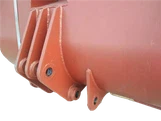
Electric scrapers are indispensable equipment in various industries, especially in mining, construction, and large - scale material handling. As a supplier of electric scrapers, I understand the importance of proper maintenance to ensure the longevity and optimal performance of these machines. In this blog, I will share some essential maintenance tips for electric scrapers.
Regular Inspection of the Electrical System
The electrical system is the heart of an electric scraper. A regular inspection can prevent many potential problems. First, check the wiring for any signs of wear, fraying, or damage. Over time, the constant movement of the scraper can cause the wires to rub against other components, leading to insulation breakdown. Any damaged wires should be replaced immediately to avoid short - circuits or electrical fires.
Inspect the battery (if applicable) regularly. Check the electrolyte level in lead - acid batteries and top it up with distilled water if necessary. For lithium - ion batteries, monitor the charging and discharging cycles. Ensure that the battery terminals are clean and free of corrosion. A layer of corrosion on the terminals can increase resistance, reducing the efficiency of the battery and potentially causing overheating.
The motor is another critical part of the electrical system. Listen for any unusual noises coming from the motor during operation. Unusual sounds such as grinding, whining, or rattling can indicate problems with the motor bearings or internal components. Check the motor's cooling system to make sure it is working properly. Overheating can significantly reduce the lifespan of the motor.
Lubrication of Moving Parts
Proper lubrication is vital for the smooth operation of an electric scraper. The moving parts, such as the conveyor belts, gears, and axles, need to be lubricated regularly. Use the lubricant recommended by the manufacturer. Different parts may require different types of lubricants, such as grease for bearings and oil for gears.
When lubricating, ensure that the lubricant is applied evenly. Over - lubrication can attract dirt and debris, which can cause abrasion and damage to the parts. Under - lubrication, on the other hand, can lead to increased friction, wear, and tear, and ultimately, mechanical failure.
For example, the conveyor belt rollers should be lubricated at regular intervals. This helps to reduce friction between the rollers and the belt, ensuring smooth movement of the material being transported. The gears in the transmission system also need proper lubrication to prevent excessive wear and ensure efficient power transfer.
Cleaning and Debris Removal
Electric scrapers are often used in dirty and dusty environments, which means they are prone to accumulate debris. Regular cleaning is essential to maintain the performance of the scraper. Start by removing any large pieces of debris from the scraper's body, such as rocks, sticks, or chunks of material.
Use a high - pressure air hose or a brush to clean the hard - to - reach areas. Pay special attention to the areas around the sensors and control panels. Dust and debris can interfere with the proper functioning of these components, leading to inaccurate readings or malfunctions.
The conveyor belts should be cleaned regularly to prevent the build - up of material. A dirty conveyor belt can cause slippage, reducing the efficiency of the scraper. Use a suitable cleaning agent to remove stubborn stains and debris from the belt.
Inspection of Structural Components
The structural integrity of the electric scraper is crucial for its safe and efficient operation. Inspect the frame, chassis, and other structural components for any signs of cracks, dents, or corrosion. Cracks can weaken the structure, increasing the risk of failure during operation.
Check the welds on the frame. Welds can loosen or crack over time due to the constant vibration and stress on the scraper. If any issues are found, they should be repaired immediately by a qualified technician.
The hydraulic cylinders, if present, should also be inspected. Look for any signs of leaks, such as oil stains around the cylinders. Leaking hydraulic fluid can not only reduce the performance of the scraper but also pose a safety hazard.
Blade Maintenance
The blade is one of the most important parts of an electric scraper. It is responsible for cutting and moving the material. Regularly check the blade for wear. A dull blade will require more power to operate and may not cut the material effectively.
Sharpen the blade when necessary. Follow the manufacturer's instructions for blade sharpening to ensure that the blade retains its proper shape and cutting edge. Replace the blade if it is severely worn or damaged.


Tire or Track Maintenance (if applicable)
If the electric scraper is equipped with tires or tracks, they need proper maintenance. Check the tire pressure regularly for wheeled scrapers. Incorrect tire pressure can affect the stability and maneuverability of the scraper. Under - inflated tires can cause excessive wear on the treads and increase fuel consumption.
For tracked scrapers, inspect the tracks for any signs of damage, such as broken links or worn - out pads. Tighten the tracks to the correct tension. Loose tracks can cause slippage, while overly tight tracks can put excessive stress on the drive system.
Software and Control System Checks
Modern electric scrapers often come with advanced software and control systems. Regularly update the software to ensure that the scraper has the latest features and bug fixes. Check the control panels for any error messages or warning lights.
Test the sensors and actuators to make sure they are working properly. Faulty sensors can lead to incorrect operation of the scraper, while malfunctioning actuators can prevent the scraper from performing its tasks effectively.
Importance of Record - Keeping
Maintaining a detailed maintenance record is an often - overlooked but crucial aspect of electric scraper maintenance. Record all maintenance activities, including inspections, lubrication, repairs, and part replacements. This record can help you keep track of the scraper's maintenance history, identify recurring problems, and plan future maintenance.
It also provides valuable information in case of warranty claims or equipment resale. A well - maintained scraper with a comprehensive maintenance record is more likely to retain its value and attract potential buyers.
Conclusion
Proper maintenance of an electric scraper is essential for its long - term performance, reliability, and safety. By following these maintenance tips, you can extend the lifespan of your electric scraper, reduce downtime, and save on repair costs.
As a supplier, we offer a range of high - quality electric scrapers, including the 2 - cubic Meter Electric Scraper, 1 - cubic Meter Electric Scraper, and 2cbm Underground Mining Rock Electric Loader. If you are interested in purchasing an electric scraper or have any questions about maintenance, please feel free to contact us for a detailed discussion. We are committed to providing you with the best products and services to meet your needs.
References
- Manufacturer's manuals for electric scrapers
- Industry standards and guidelines for equipment maintenance
- Technical literature on electrical systems, lubrication, and structural integrity