What is the typical tire pressure for a 40 - Ton Mine Truck?
As a supplier of 40 - Ton Mine Trucks, I've encountered numerous inquiries regarding the optimal tire pressure for these heavy - duty vehicles. Understanding the right tire pressure is crucial not only for the safety of the operators but also for the efficiency and longevity of the trucks themselves.
The Importance of Correct Tire Pressure
Tire pressure plays a pivotal role in the performance of a 40 - Ton Mine Truck. When the tire pressure is too low, it can lead to increased rolling resistance. This means that the engine has to work harder to move the truck, resulting in higher fuel consumption. Additionally, under - inflated tires are more prone to overheating, which can cause premature tire wear and even lead to tire blowouts. On the other hand, if the tire pressure is too high, the contact area between the tire and the ground is reduced. This can result in poor traction, especially on uneven mine surfaces, and also cause uneven tire wear, reducing the overall lifespan of the tires.
Factors Affecting Tire Pressure
Several factors influence the typical tire pressure for a 40 - Ton Mine Truck.
Load Capacity: A 40 - Ton Mine Truck is designed to carry a substantial amount of weight. The more weight the truck is carrying, the higher the tire pressure needs to be to support the load. When the truck is fully loaded with 40 tons of materials, the tires bear an enormous amount of stress. The pressure needs to be adjusted accordingly to ensure that the tires can distribute the weight evenly and prevent excessive deformation.
Tire Size and Type: Different tire sizes and types have different recommended pressure ranges. Larger tires generally require higher pressures to maintain their shape and support the load. For 40 - Ton Mine Trucks, the tires are typically large and heavy - duty, designed to withstand the harsh conditions of mining operations. These tires are often of a radial or bias - ply construction, and each type has its own specific pressure requirements.
Operating Conditions: The terrain and climate in the mining area also affect tire pressure. In hot climates, the air inside the tires expands, causing the pressure to increase. In cold climates, the air contracts, leading to a decrease in pressure. Therefore, it's essential to check and adjust the tire pressure regularly based on the ambient temperature. Moreover, if the mine has a lot of rough terrain, such as rocks and uneven surfaces, the tires need to have sufficient pressure to resist punctures and damage.
Typical Tire Pressure Ranges
The typical tire pressure for a 40 - Ton Mine Truck usually ranges from 60 to 100 psi (pounds per square inch). However, this is a general range, and the exact pressure may vary depending on the factors mentioned above.
For example, if the truck is operating on relatively flat and smooth mine roads and is carrying a full load, a tire pressure of around 80 - 90 psi might be appropriate. This pressure allows the tires to support the weight evenly and provides good traction. If the truck is operating on rough and rocky terrain, a slightly higher pressure, perhaps around 90 - 100 psi, may be necessary to prevent the tires from being damaged by sharp rocks.
It's important to note that these are just estimates, and it's always best to refer to the tire manufacturer's recommendations. The tire manufacturer has conducted extensive testing to determine the optimal pressure for their specific tires, taking into account factors such as load capacity, tire construction, and operating conditions.
Maintaining Proper Tire Pressure
To ensure the safety and efficiency of 40 - Ton Mine Trucks, proper tire pressure maintenance is essential.
Regular Checks: Operators should check the tire pressure at least once a day before starting the truck. This can be done using a tire pressure gauge. It's important to check the pressure when the tires are cold, as the pressure increases when the tires are hot due to friction.
Adjustment: If the tire pressure is too low, air should be added to the tires. If it's too high, air should be released. It's important to make small adjustments and re - check the pressure frequently to avoid over - or under - inflating the tires.
Monitoring Systems: Some modern 40 - Ton Mine Trucks are equipped with tire pressure monitoring systems (TPMS). These systems continuously monitor the tire pressure and alert the operator if the pressure falls outside the recommended range. This helps to ensure that any issues with tire pressure are detected and addressed promptly.
Comparison with Other Mine Trucks
It's interesting to compare the tire pressure requirements of 40 - Ton Mine Trucks with those of other types of mine trucks. For instance, a 50 - ton Mine Truck generally requires higher tire pressures due to its greater load - carrying capacity. The additional weight places more stress on the tires, and higher pressures are needed to support the load and prevent tire damage.
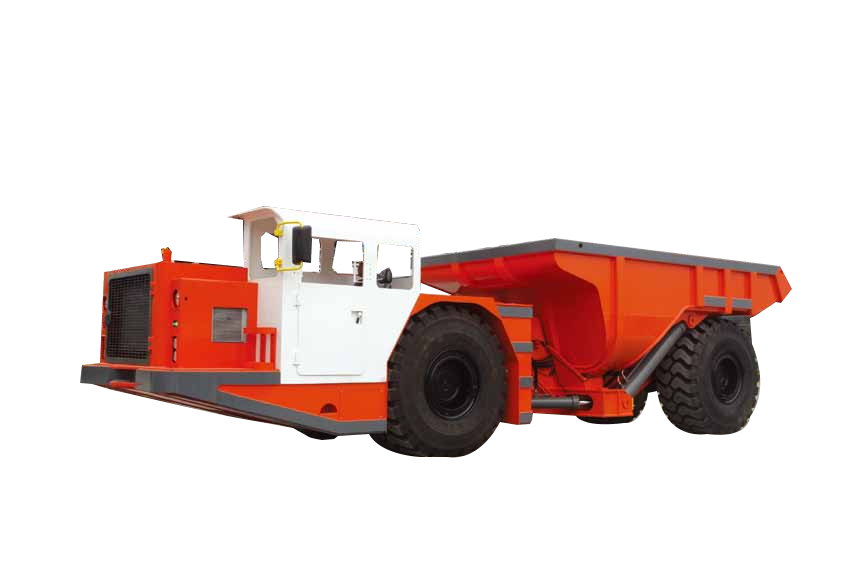

On the other hand, a 20 - Ton Mine Truck or a 20 Ton Underground Articulated Dump Mining Truck For Underground Mine typically has lower tire pressure requirements. These trucks carry less weight, so the tires don't need to bear as much stress, and lower pressures are sufficient to support the load and provide good traction.
Conclusion
In conclusion, the typical tire pressure for a 40 - Ton Mine Truck is influenced by factors such as load capacity, tire size and type, and operating conditions. A general range of 60 - 100 psi is common, but the exact pressure should be determined based on the specific circumstances of the mining operation and the recommendations of the tire manufacturer. Maintaining proper tire pressure is crucial for the safety, efficiency, and longevity of the trucks.
If you are in the market for a 40 - Ton Mine Truck or have any questions about tire pressure and other aspects of these vehicles, we are here to help. Our team of experts can provide you with detailed information and guidance to ensure that you make the right choice for your mining operations. Feel free to reach out to us to start a discussion about your procurement needs.
References
- Tire Manufacturer's Manuals
- Mining Industry Safety and Efficiency Guidelines
- Research Papers on Heavy - Duty Vehicle Tire Performance