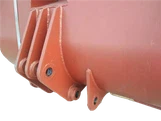
As a supplier of electric scrapers, I often receive inquiries about various aspects of these machines, and one question that comes up quite frequently is: "What is the noise level of an electric scraper?" In this blog post, I'll delve into this topic, exploring the factors that influence the noise level of electric scrapers, typical noise levels you can expect, and the importance of noise control in the workplace.
Factors Influencing the Noise Level of Electric Scrapers
Several factors contribute to the noise generated by an electric scraper. Understanding these factors can help in evaluating and managing the noise levels effectively.
Motor Design and Power
The electric motor is the heart of an electric scraper, and its design and power output play a significant role in determining the noise level. High - power motors generally produce more noise as they have to work harder to drive the scraper's components. For instance, a 2 - cubic Meter Electric Scraper with a more powerful motor to handle a larger load may generate more noise compared to a smaller - capacity model like the 1 - cubic Meter Electric Scraper.
The type of motor also matters. Some motors are designed with advanced technologies to reduce noise, such as brushless DC motors. These motors have fewer moving parts and less friction, resulting in quieter operation.

Mechanical Components
The mechanical components of an electric scraper, such as gears, bearings, and chains, can also contribute to noise. Worn - out or poorly maintained components can create additional noise due to increased vibration and friction. For example, if the gears are not properly lubricated or are misaligned, they can produce a grinding or whining noise. Regular maintenance, including lubrication, alignment checks, and component replacement when necessary, can help keep the noise from mechanical components under control.
Operating Conditions
The operating conditions of the electric scraper can have a significant impact on the noise level. Working on rough or uneven surfaces can cause the scraper to vibrate more, leading to increased noise. Similarly, overloading the scraper can put extra stress on the motor and mechanical components, resulting in louder operation. In mining applications, such as with the Mining Equipment Electric Underground LHD Mine Tunnel Scooptram, the harsh underground environment with dust, dirt, and uneven terrain can contribute to higher noise levels.
Typical Noise Levels of Electric Scrapers
The noise level of an electric scraper can vary widely depending on the factors mentioned above. Generally, electric scrapers produce noise levels in the range of 70 - 90 decibels (dB). To put this into perspective, a normal conversation typically takes place at around 60 dB, while a lawnmower can produce noise levels of about 90 dB.
Smaller electric scrapers with lower power and simpler designs may operate at the lower end of this range, around 70 - 75 dB. These are often used in light - duty applications, such as in small workshops or for indoor cleaning. On the other hand, larger, more powerful electric scrapers used in heavy - duty applications like mining or construction can reach noise levels closer to 90 dB.
It's important to note that these are just general estimates, and the actual noise level of a specific electric scraper can be influenced by its unique design, components, and operating conditions.
Importance of Noise Control in the Workplace
Excessive noise in the workplace can have several negative impacts on workers' health and productivity. Prolonged exposure to high - noise levels can lead to hearing loss, tinnitus (ringing in the ears), and other auditory problems. It can also cause stress, fatigue, and distraction, which can affect workers' concentration and increase the risk of accidents.
In addition to the health and safety concerns, high noise levels can also be a regulatory issue. Many countries have strict regulations regarding workplace noise exposure limits. Employers are required to take measures to protect their workers from excessive noise, such as providing hearing protection, implementing noise - control measures, and ensuring that equipment meets noise - emission standards.
As an electric scraper supplier, we are committed to providing products that meet or exceed noise - emission standards. We work with manufacturers to develop and improve the design of our electric scrapers to reduce noise levels. For example, we may use noise - dampening materials in the construction of the scraper's housing or incorporate vibration - isolation features to minimize the transmission of noise.
Measuring and Monitoring Noise Levels
To ensure that the noise levels of electric scrapers are within acceptable limits, it's important to measure and monitor them regularly. There are several tools available for measuring noise, such as sound level meters. These devices can provide accurate readings of the noise level in decibels.
When measuring the noise level of an electric scraper, it's important to follow the proper measurement procedures. The measurement should be taken at a specific distance from the scraper, usually at ear level of the operator. Multiple measurements should be taken at different operating conditions to get a comprehensive understanding of the scraper's noise performance.
Regular monitoring of noise levels can help identify any changes in the scraper's noise output over time. An increase in noise levels may indicate a problem with the motor or mechanical components, such as a worn - out bearing or a loose belt. By detecting these issues early, appropriate maintenance or repair can be carried out to prevent further damage and keep the noise levels under control.
Strategies for Reducing Noise Levels
There are several strategies that can be employed to reduce the noise levels of electric scrapers.
Maintenance and Upkeep
As mentioned earlier, regular maintenance is crucial for keeping the noise levels down. This includes lubricating moving parts, tightening loose components, and replacing worn - out parts. By ensuring that the scraper is in good working condition, the noise generated by mechanical vibrations and friction can be minimized.
Isolation and Insulation
Using vibration - isolation mounts and noise - insulating materials can help reduce the transmission of noise from the scraper to the surrounding environment. For example, rubber mounts can be used to isolate the motor from the scraper's frame, reducing the vibration and noise transfer. Noise - insulating materials can be applied to the inside of the scraper's housing to absorb and dampen the sound.
Operator Training
Proper operator training can also contribute to noise reduction. Operators should be trained to use the electric scraper correctly, avoiding overloading and rough handling. By operating the scraper in a smooth and efficient manner, the stress on the motor and mechanical components can be reduced, resulting in quieter operation.
Conclusion
In conclusion, the noise level of an electric scraper is influenced by several factors, including motor design, mechanical components, and operating conditions. Typical noise levels range from 70 - 90 dB, but this can vary depending on the specific model and application. Noise control is an important aspect of workplace safety and productivity, and as an electric scraper supplier, we are dedicated to providing products that meet or exceed noise - emission standards.
If you're in the market for an electric scraper and have concerns about noise levels or any other aspect of our products, we invite you to contact us for more information. Our team of experts is ready to assist you in selecting the right electric scraper for your needs and can provide detailed information on noise performance and noise - control measures. We look forward to the opportunity to work with you and help you find the best solution for your scraping requirements.
References
- Occupational Safety and Health Administration (OSHA). "Noise Exposure."
- International Organization for Standardization (ISO). "Acoustics - Measurement of noise emitted by machinery and equipment."