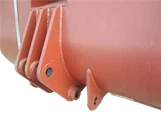
As a supplier of mining truck hoppers, I've witnessed firsthand the profound impact that temperature can have on these critical components. Mining truck hoppers are designed to endure extreme conditions, but temperature variations can significantly affect their performance, durability, and overall lifespan. In this blog post, I'll delve into the various ways temperature influences mining truck hoppers and discuss how understanding these effects can help mining operations optimize their efficiency and reduce maintenance costs.
Thermal Expansion and Contraction
One of the most obvious impacts of temperature on a mining truck hopper is thermal expansion and contraction. As the temperature rises, the hopper material expands, and as it cools, it contracts. This constant expansion and contraction can lead to stress and strain on the hopper structure, potentially causing cracks, warping, and other forms of damage over time.
For example, in hot climates, the hopper may expand during the day and contract at night. This cyclic movement can weaken the welds and joints, increasing the risk of failure. On the other hand, in cold climates, the hopper may become brittle, making it more susceptible to cracking under the stress of heavy loads.
To mitigate the effects of thermal expansion and contraction, it's essential to choose the right material for the hopper. High-strength steel alloys are often preferred because they have a lower coefficient of thermal expansion compared to other materials, reducing the amount of movement and stress on the structure. Additionally, proper design and installation techniques can help accommodate thermal expansion and contraction, such as using flexible joints and allowing for sufficient clearance between the hopper and other components.
Material Properties
Temperature can also affect the mechanical properties of the hopper material. At high temperatures, the strength and hardness of the steel can decrease, making it more prone to deformation and wear. This can be particularly problematic in mining applications where the hopper is subjected to abrasive materials and heavy loads.
Conversely, at low temperatures, the steel can become more brittle, reducing its toughness and resistance to cracking. This can increase the risk of catastrophic failure, especially if the hopper is exposed to sudden impacts or shocks.
To ensure the hopper can withstand the temperature conditions of the mining environment, it's important to select a material with appropriate mechanical properties. Heat-treated steels are often used because they offer a good balance of strength, hardness, and toughness at a wide range of temperatures. Additionally, regular inspections and maintenance can help detect any signs of material degradation early on, allowing for timely repairs or replacements.
Corrosion
Temperature can also play a role in the corrosion of mining truck hoppers. In hot and humid environments, the hopper is more likely to experience corrosion due to the presence of moisture and oxygen. Corrosion can weaken the hopper structure, reducing its strength and durability, and increasing the risk of leaks and spills.
On the other hand, in cold environments, the hopper may be exposed to salt and other de-icing chemicals, which can also accelerate corrosion. These chemicals can react with the steel surface, forming rust and other corrosion products that can penetrate the metal and cause damage.
To prevent corrosion, it's important to apply a protective coating to the hopper surface. Epoxy coatings, for example, are commonly used because they provide a barrier against moisture and oxygen, preventing corrosion from occurring. Additionally, regular cleaning and maintenance can help remove any dirt, debris, or corrosive substances from the hopper surface, reducing the risk of corrosion.
Operational Efficiency
Temperature can also have an impact on the operational efficiency of mining truck hoppers. In hot climates, the hopper may need to be cooled down before it can be loaded again, which can increase the turnaround time and reduce the productivity of the mining operation. Additionally, high temperatures can cause the material in the hopper to stick, making it more difficult to unload and increasing the risk of blockages.
In cold climates, the hopper may need to be heated to prevent the material from freezing, which can also increase the energy consumption and operating costs of the mining operation. Additionally, cold temperatures can make the material more viscous, reducing its flowability and increasing the risk of clogging.
To optimize the operational efficiency of mining truck hoppers, it's important to consider the temperature conditions of the mining environment and implement appropriate measures to mitigate their effects. For example, in hot climates, the hopper can be equipped with cooling systems to reduce the temperature and prevent the material from sticking. In cold climates, the hopper can be insulated and heated to maintain the material's flowability and prevent freezing.

Conclusion
In conclusion, temperature can have a significant impact on the performance, durability, and operational efficiency of mining truck hoppers. By understanding the various ways temperature affects these critical components, mining operations can take appropriate measures to mitigate its effects and ensure the long-term reliability and productivity of their equipment.
As a supplier of mining truck hoppers, we offer a range of high-quality products designed to withstand the most extreme temperature conditions. Our hoppers are made from high-strength steel alloys and are coated with a protective layer to prevent corrosion. Additionally, we offer custom design and manufacturing services to ensure our hoppers meet the specific requirements of your mining operation.
If you're interested in learning more about our mining truck hoppers or would like to discuss your specific needs, please don't hesitate to [contact us for procurement and negotiation]. We look forward to working with you to optimize the performance and efficiency of your mining operation.
References
- Smith, J. (2018). The Effects of Temperature on Steel Structures. Journal of Structural Engineering, 144(6), 04018032.
- Jones, R. (2019). Corrosion Prevention in Mining Equipment. Mining Engineering, 71(2), 42-47.
- Brown, S. (2020). Operational Efficiency in Mining Operations. International Journal of Mining Science and Technology, 30(1), 1-8.
Quality Light Truck Frame From Professional Factory [/mining-truck/mining-truck-accessories/quality-light-truck-frame-from-professional.html]
Mine Truck Rear Frame [/mining-truck/mining-truck-accessories/mine-truck-rear-frame.html]
Mine Truck Front Frame [/mining-truck/mining-truck-accessories/mine-truck-front-frame.html]