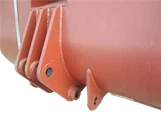
What is the Heat Resistance of a 4 - Cubic Meter Bucket?
As a supplier of 4 - Cubic Meter Buckets, I've been asked numerous times about the heat resistance of these essential industrial tools. In this blog post, I'll delve into the details of what heat resistance means for a 4 - Cubic Meter Bucket, the factors that influence it, and why it matters in various applications.
Understanding Heat Resistance in Industrial Buckets
Heat resistance refers to the ability of a material or an object to withstand high temperatures without significant degradation of its physical or mechanical properties. For a 4 - Cubic Meter Bucket, which is often used in demanding industrial environments, heat resistance is crucial. In applications such as mining, construction, and waste management, buckets may be exposed to high - temperature materials like molten slag, hot asphalt, or burning waste.
The heat resistance of a 4 - Cubic Meter Bucket is determined by the materials used in its construction. Most buckets are made from high - strength steel alloys. These alloys are carefully formulated to provide a balance between strength, durability, and heat resistance. For example, some steel alloys contain elements like chromium, nickel, and molybdenum, which can enhance the material's ability to resist oxidation and maintain its strength at elevated temperatures.
Factors Affecting the Heat Resistance of a 4 - Cubic Meter Bucket
- Material Composition: As mentioned earlier, the chemical composition of the steel alloy plays a vital role. Different alloys have different heat - resistant properties. For instance, stainless steel alloys with a high chromium content are known for their excellent corrosion and heat resistance. The presence of other elements can also improve the material's ability to form a protective oxide layer on its surface, which helps to prevent further oxidation and degradation at high temperatures.
- Thickness of the Bucket Walls: The thickness of the bucket walls can impact heat resistance. A thicker wall can provide better insulation and reduce the rate of heat transfer to the inner parts of the bucket. However, increasing the wall thickness also adds weight to the bucket, which may affect its performance and fuel efficiency in some applications.
- Surface Treatment: Surface treatments such as coatings can significantly enhance the heat resistance of a bucket. Ceramic coatings, for example, can provide an additional layer of protection against high - temperature corrosion and abrasion. These coatings can also reflect heat, reducing the amount of heat absorbed by the bucket.
Importance of Heat Resistance in Different Applications
- Mining: In mining operations, 4 - Cubic Meter Buckets are often used to handle hot materials such as coal, ore, and slag. High heat resistance is essential to prevent the bucket from warping or losing its structural integrity when exposed to these hot substances. A bucket with poor heat resistance may experience premature wear and tear, leading to frequent replacements and increased costs.
- Construction: In construction, buckets are used for tasks like handling hot asphalt. Asphalt is typically heated to high temperatures before being laid, and a heat - resistant bucket is necessary to ensure safe and efficient handling. Without proper heat resistance, the bucket may stick to the asphalt, causing difficulties in unloading and potentially damaging the bucket.
- Waste Management: In waste management facilities, buckets are used to handle burning waste. Heat - resistant buckets can withstand the high temperatures generated by the burning waste, preventing damage to the bucket and ensuring the safety of the operators.
Comparing Heat Resistance of Different Bucket Sizes
When considering heat resistance, it's also interesting to compare the 4 - Cubic Meter Bucket with other sizes. For example, a 2 - cubic Meter Bucket may have different heat - resistant requirements depending on its application. Smaller buckets may be used in more delicate operations where heat transfer needs to be carefully controlled. On the other hand, a 7 Cubic Meters Scooptram Bucket High Quality Underground Mining Machinery Parts used in underground mining may face even more extreme heat conditions due to the nature of the mining environment.


Testing the Heat Resistance of a 4 - Cubic Meter Bucket
To ensure the heat resistance of our 4 - Cubic Meter Buckets, we conduct rigorous testing. These tests involve subjecting the buckets to high - temperature environments similar to those they will encounter in real - world applications. We measure the changes in the bucket's physical and mechanical properties, such as hardness, strength, and dimensional stability, at different temperatures.
During the testing process, we also monitor the formation of oxidation and corrosion on the bucket's surface. This helps us to evaluate the effectiveness of the material and any surface treatments in protecting the bucket from high - temperature damage. The results of these tests are used to continuously improve the design and manufacturing process of our buckets, ensuring that they meet the highest standards of heat resistance.
Conclusion
In conclusion, the heat resistance of a 4 - Cubic Meter Bucket is a critical factor that determines its performance and durability in various industrial applications. By carefully selecting the right materials, controlling the wall thickness, and applying appropriate surface treatments, we can ensure that our buckets can withstand high temperatures without significant degradation.
If you're in the market for a high - quality 4 - cubic Meter Bucket with excellent heat resistance, we'd love to hear from you. Whether you're involved in mining, construction, or waste management, our buckets are designed to meet your specific needs. Contact us today to discuss your requirements and start a procurement negotiation.
References
- ASM Handbook Volume 13C: Corrosion: Materials. ASM International.
- Metals Handbook Desk Edition, Third Edition. ASM International.