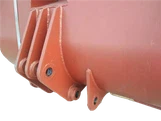
As a supplier of 1 - Cubic Meter Buckets, I've encountered numerous inquiries regarding the optimal storage methods for these essential industrial tools. In this blog, I'll share some professional insights and best practices on how to store a 1 - Cubic Meter Bucket effectively.
Understanding the Characteristics of 1 - Cubic Meter Buckets
Before delving into storage methods, it's crucial to understand the nature of 1 - Cubic Meter Buckets. These buckets are typically made of high - strength steel to withstand the rigors of heavy - duty applications such as mining, construction, and earthmoving. They are designed to handle large volumes of materials, including rocks, soil, and gravel.
The size and weight of a 1 - Cubic Meter Bucket can pose challenges during storage. On average, a 1 - Cubic Meter Bucket can weigh several hundred kilograms, depending on its design and construction. Therefore, proper storage is essential to prevent damage, ensure safety, and maintain the bucket's performance over time.


Factors to Consider Before Storage
- Condition of the Bucket: Before storing the bucket, it's important to inspect it for any signs of damage, such as cracks, dents, or wear. If any issues are found, they should be repaired promptly to prevent further deterioration during storage.
- Cleanliness: The bucket should be thoroughly cleaned to remove any dirt, debris, or residual materials. This not only helps to prevent corrosion but also makes it easier to inspect the bucket for damage.
- Storage Location: The storage location should be dry, well - ventilated, and protected from the elements. Exposure to moisture can lead to rust and corrosion, which can significantly reduce the lifespan of the bucket.
Indoor Storage Options
- Warehouse Storage: Storing the 1 - Cubic Meter Bucket in a warehouse is one of the best options. Warehouses provide protection from the weather and can be equipped with racks or pallets to store the buckets safely. The buckets should be placed on a flat and stable surface to prevent tipping or damage.
- Rack Storage: If space allows, using racks to store the buckets can be an efficient way to maximize storage space. The racks should be designed to support the weight of the buckets and should be securely anchored to the floor.
- Pallet Storage: Pallets can also be used to store the buckets. The buckets should be placed on pallets in a stable position, and the pallets should be stacked carefully to prevent damage.
- Indoor Workshops: If a warehouse is not available, an indoor workshop can also be used for storage. However, it's important to ensure that the workshop has enough space to store the bucket safely and that it is protected from moisture and other environmental factors.
Outdoor Storage Options
- Covered Storage Areas: If indoor storage is not possible, a covered storage area can be used. This can be a simple shed or a covered patio. The cover should provide protection from rain, snow, and direct sunlight.
- Tarps: Using tarps to cover the buckets is a cost - effective way to protect them from the elements. The tarps should be securely fastened to prevent them from blowing off in strong winds.
- Elevated Storage: Storing the buckets on an elevated platform can help to prevent contact with the ground, which can be damp and prone to corrosion. The platform should be stable and able to support the weight of the bucket.
Protective Measures During Storage
- Coating: Applying a protective coating to the bucket can help to prevent rust and corrosion. There are various types of coatings available, such as paint, epoxy, or zinc - rich primers. The coating should be applied according to the manufacturer's instructions.
- Desiccants: Placing desiccants near the bucket can help to absorb moisture and prevent corrosion. Silica gel packets are a common type of desiccant that can be used for this purpose.
- Regular Inspections: Even during storage, the bucket should be inspected regularly to ensure that it remains in good condition. Any signs of damage or deterioration should be addressed immediately.
Comparison with Other Bucket Sizes
When considering storage methods, it's interesting to compare the 1 - Cubic Meter Bucket with other sizes, such as the 2 - cubic Meter Bucket and the 7 Cubic Meters Scooptram Bucket High Quality Underground Mining Machinery Parts.
- Size and Weight: Larger buckets, such as the 2 - cubic Meter and 7 - cubic Meter buckets, are heavier and require more space for storage. The storage methods may need to be adjusted accordingly to ensure safety and stability.
- Usage and Application: Different bucket sizes are used for different applications. For example, the 1 - Cubic Meter Bucket is often used for smaller - scale projects, while the 7 - cubic Meter bucket is more suitable for large - scale mining operations. The storage requirements may vary depending on the intended use of the bucket.
Long - Term Storage Considerations
- Lubrication: For buckets with moving parts, such as hydraulic cylinders or hinges, it's important to lubricate them before long - term storage. This helps to prevent rust and ensures that the parts remain in good working condition.
- Documentation: Keeping detailed records of the bucket's maintenance, inspection, and storage history can be beneficial. This information can be used to track the bucket's performance over time and to identify any potential issues.
Conclusion
Proper storage of a 1 - Cubic Meter Bucket is essential to maintain its performance and extend its lifespan. By considering factors such as the bucket's condition, cleanliness, and storage location, and by implementing appropriate storage methods, you can ensure that the bucket remains in good condition for future use.
If you're in the market for a high - quality 1 - cubic Meter Bucket, look no further. We are a leading supplier of 1 - Cubic Meter Buckets, offering a wide range of products to meet your specific needs. Contact us today to discuss your requirements and explore the possibilities of purchasing our top - notch buckets.
References
- Industrial Equipment Maintenance Handbook
- Best Practices in Mining Equipment Storage