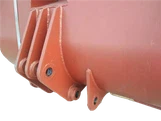
Hey there! I'm a supplier of Low-profile Scraper, and today I wanna chat with you about the storage requirements for these nifty machines.
First off, let's talk about what a Low-profile Scraper is. If you're not familiar, you can check out this link Low-profile Scraper. These scrapers are designed to work in tight spaces, making them super useful in various industries like mining. And if you're into mining, you might also be interested in our Professional Mine Scoop Factory-produced Underground Scraper For Mining.
Now, when it comes to storing a low-profile scraper, there are several key factors to keep in mind.

Location
The location where you store your low-profile scraper is crucial. You want to choose a place that's dry and protected from the elements. A warehouse is an ideal option. If you don't have a warehouse, at least find a covered area. Exposure to rain, snow, and excessive sunlight can cause a lot of damage to the scraper.
For instance, if the scraper is left outside in the rain for long periods, the metal parts can start to rust. Rust not only looks bad but can also weaken the structure of the machine. Over time, it can lead to mechanical failures and reduce the lifespan of the scraper.
Similarly, extreme sunlight can damage the rubber components, such as tires and seals. The UV rays can cause the rubber to dry out and crack, which can affect the performance of the scraper.
Surface
The surface on which the scraper is stored is also important. It should be flat and stable. If the surface is uneven, it can put stress on the scraper's frame and suspension. This can lead to misalignment of parts and premature wear and tear.
For example, if the scraper is parked on a sloped surface, the weight distribution will be uneven. This can cause excessive pressure on one side of the machine, potentially damaging the axles or the hydraulic system.
It's also a good idea to use a surface that's clean. Dirt and debris can get into the moving parts of the scraper, causing abrasion and reducing the efficiency of the machine.
Cleaning
Before storing the low-profile scraper, it should be thoroughly cleaned. This includes removing all the dirt, dust, and debris from the exterior and interior of the machine. Pay special attention to the engine, hydraulic system, and other critical components.
Cleaning the engine is important because dirt and debris can clog the air filters and reduce the engine's performance. It can also cause overheating, which can lead to serious damage.
The hydraulic system should also be cleaned. Hydraulic fluid can pick up contaminants over time, and if these are not removed, they can damage the hydraulic pumps, valves, and cylinders.
After cleaning, it's a good practice to apply a protective coating to the metal parts. This can help prevent rust and corrosion during storage.
Fluid Levels
All the fluid levels in the scraper should be checked and topped up before storage. This includes the engine oil, coolant, hydraulic fluid, and fuel.
Engine oil lubricates the moving parts of the engine and helps reduce friction and wear. If the oil level is low, it can cause the engine to overheat and potentially seize up.
Coolant is used to regulate the temperature of the engine. If the coolant level is low, the engine can overheat, which can cause serious damage to the engine block and other components.
Hydraulic fluid is essential for the operation of the hydraulic system. Low hydraulic fluid levels can lead to poor performance of the hydraulic functions, such as lifting and lowering the blade.
As for fuel, if the scraper has a diesel engine, it's a good idea to add a fuel stabilizer. Diesel fuel can degrade over time, especially when it's stored for long periods. A fuel stabilizer can help prevent the fuel from oxidizing and forming deposits in the fuel system.
Battery
The battery is another important component to consider during storage. If the scraper is going to be stored for an extended period, it's best to remove the battery. This can prevent the battery from discharging and potentially getting damaged.
When the battery is left connected, it can continue to draw a small amount of power from the electrical system. Over time, this can cause the battery to go flat. And once a battery is completely discharged, it can be difficult to recharge it fully.
If you choose to leave the battery connected, make sure to use a battery maintainer. A battery maintainer is a device that keeps the battery charged at the correct level, preventing it from overcharging or discharging.
Covering
Using a cover to protect the low-profile scraper during storage is a great idea. A good quality cover can shield the machine from dust, dirt, and the elements.
There are different types of covers available, such as waterproof covers and breathable covers. Waterproof covers are great for protecting the scraper from rain and snow, but they can trap moisture if the scraper is not completely dry before covering.
Breathable covers, on the other hand, allow air to circulate, which helps prevent the build-up of moisture. This can reduce the risk of rust and mold growth.
Maintenance Checks
Even during storage, it's important to perform regular maintenance checks on the low-profile scraper. This can help identify any potential problems early on and prevent them from becoming major issues.
For example, you should check the tire pressure regularly. If the tires are under-inflated, it can cause uneven wear and reduce the handling of the scraper.
You should also check the fluid levels periodically. If there are any leaks, they should be repaired immediately.
In addition, it's a good idea to start the engine and run it for a few minutes every now and then. This can help keep the engine lubricated and prevent the fuel from going stale.
Security
Finally, security is an important aspect of storing the low-profile scraper. The storage area should be secure to prevent theft and vandalism.
You can use locks and alarms to deter thieves. It's also a good idea to install surveillance cameras in the storage area. This can help you keep an eye on the scraper and detect any suspicious activity.
In conclusion, proper storage of a low-profile scraper is essential to maintain its performance and extend its lifespan. By following these storage requirements, you can ensure that your scraper is in good condition when you need to use it again.
If you're interested in purchasing a low-profile scraper or have any questions about storage or maintenance, feel free to reach out for a chat and discuss your specific needs.
References:
- "Equipment Storage and Maintenance Best Practices" - Industry Handbook on Heavy Machinery
- "Guide to Long-Term Storage of Construction Equipment" - Construction Magazine