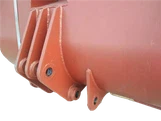
In the mining and construction industries, low - profile scrapers are often seen as versatile and useful pieces of equipment. As a supplier of Low - profile Scraper, I've had extensive experience with these machines. While they offer many advantages, it's essential to be aware of their disadvantages to make informed purchasing decisions.
1. Limited Capacity
One of the most significant drawbacks of low - profile scrapers is their limited capacity. These scrapers are designed to operate in confined spaces, which often means sacrificing the size of the bucket or the overall volume of material they can carry. In large - scale mining or construction projects where high - volume material handling is required, a low - profile scraper may not be the most efficient choice. For example, in an open - pit mine where hundreds of tons of ore need to be moved daily, a larger, more traditional scraper can transport significantly more material in a single pass. This limitation in capacity can lead to increased operating time and higher labor costs as more trips are needed to move the same amount of material.
2. Power and Performance Constraints
Low - profile scrapers typically have less powerful engines compared to their larger counterparts. The need to maintain a low profile often restricts the size and power of the engine that can be installed. This lack of power can result in slower acceleration, reduced climbing ability, and lower overall performance. In hilly or uneven terrains, a low - profile scraper may struggle to ascend slopes or move through soft ground. For instance, in a mountainous construction site, the machine may not be able to carry a full load up a steep incline, which can cause delays in the project. Additionally, the lower power can also affect the cutting and loading efficiency of the scraper, as it may not be able to penetrate hard materials as effectively.
3. Higher Maintenance Requirements
Due to their complex design and the need to fit into tight spaces, low - profile scrapers often have more intricate components. These components are more prone to wear and tear, which can lead to higher maintenance requirements. The tight clearances and specialized parts can make it difficult to access and repair certain areas of the machine. For example, the hydraulic systems in low - profile scrapers are often more compact and complex, making them more challenging to troubleshoot and maintain. This can result in longer downtime for maintenance and repairs, which can disrupt project schedules and increase costs. Moreover, the specialized parts may also be more expensive to replace, further adding to the overall cost of ownership.
4. Limited Operator Visibility
The low - profile design of these scrapers can also lead to limited operator visibility. The lower height of the machine can obstruct the operator's view, especially in the rear and side areas. This lack of visibility can be a significant safety hazard, as it may be difficult for the operator to detect other vehicles, pedestrians, or obstacles in the work area. In a busy construction site or a mine with multiple pieces of equipment operating simultaneously, the risk of collisions and accidents is increased. To mitigate this issue, additional safety features such as cameras and sensors can be installed, but these add to the cost of the machine.
5. Compatibility Issues
Low - profile scrapers may also face compatibility issues with other equipment on the job site. For example, they may not be able to interface easily with larger loading and unloading systems. In a mining operation where there are conveyor belts or large - scale processing plants, a low - profile scraper may not be able to transfer materials as efficiently as a larger machine. This can lead to bottlenecks in the material handling process and reduce the overall productivity of the operation. Additionally, the specialized nature of low - profile scrapers may also limit their compatibility with standard attachments and accessories, which can further restrict their functionality.
6. Higher Initial Cost
The design and engineering required to produce a low - profile scraper often result in a higher initial cost compared to more traditional scrapers. The need for specialized components, advanced hydraulic systems, and precise manufacturing processes all contribute to the increased price. For small - to - medium - sized businesses or contractors with limited budgets, this higher upfront cost can be a significant barrier to purchasing a low - profile scraper. Even though the machine may offer some unique benefits, the initial investment may not be justifiable, especially if the project requirements do not fully utilize the capabilities of the low - profile design.

Addressing the Disadvantages
Despite these disadvantages, low - profile scrapers still have their place in the market. At our company, we understand the concerns of our customers and are constantly working to address these issues. We offer a range of Professional Mine Scoop Factory - produced Underground Scraper For Mining that are designed to minimize the negative impacts of these drawbacks. For example, we are investing in research and development to improve the power - to - weight ratio of our low - profile scrapers, which can enhance their performance on difficult terrains. We are also working on improving operator visibility through the use of advanced camera and sensor technologies.
In terms of maintenance, we provide comprehensive training and support to our customers to ensure that they can properly maintain their machines. We also have a wide network of spare parts suppliers to ensure that replacement parts are readily available, reducing downtime. Additionally, we offer flexible financing options to help our customers overcome the initial cost barrier.
Conclusion
While low - profile scrapers have several disadvantages, they also offer unique advantages in certain applications. It's crucial for potential buyers to carefully consider these drawbacks in the context of their specific project requirements. As,a supplier, I believe in providing transparent information to our customers so that they can make the best - informed decisions. If you are in the market for a low - profile scraper and have questions about how these disadvantages may impact your project, I encourage you to contact us for a detailed discussion. We are committed to helping you find the right equipment solution that meets your needs and budget. Whether it's a small - scale construction project or a large - scale mining operation, we can work with you to evaluate the pros and cons and determine if a low - profile scraper is the right choice for you. Don't hesitate to reach out to us for more information and to start the purchasing and negotiation process.
References
- Mining Equipment Handbook, 3rd Edition
- Construction Machinery: Principles and Applications, 2nd Edition
- Journal of Mining and Construction Equipment Technology