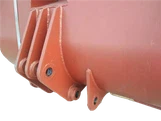
Hey there! As a supplier of low-profile scrapers, I've got a ton of knowledge about these nifty machines. In this blog, I'm gonna break down the different types of low-profile scrapers, so you can figure out which one suits your needs best.

First off, let's talk about what makes a low-profile scraper so special. These scrapers are designed to work in tight spaces where regular-sized equipment just won't fit. They're perfect for mines, tunnels, and other underground operations. Their low height allows them to maneuver easily in restricted areas, getting the job done without any hassle.
Electric Low-profile Scrapers
One of the most popular types is the electric low-profile scraper. These bad boys are powered by electricity, which means they're clean, quiet, and efficient. They don't produce any harmful emissions, making them a great choice for indoor or enclosed spaces. Electric scrapers are also relatively easy to maintain, as they have fewer moving parts compared to their diesel counterparts.
The advantage of using an electric low-profile scraper is that it can be plugged into a power source, eliminating the need for refueling. This not only saves time but also reduces operating costs. Additionally, electric motors provide smooth and precise control, allowing operators to handle the scraper with ease.
If you're interested in an electric low-profile scraper, check out this Low-profile Scraper. It's a top-of-the-line model that offers excellent performance and reliability.
Diesel Low-profile Scrapers
On the other hand, diesel low-profile scrapers are known for their power and durability. Diesel engines are capable of delivering high torque, making them ideal for heavy-duty applications. They can handle tough materials and challenging terrains with ease.
Diesel scrapers are also more suitable for outdoor use, as they can operate for longer periods without the need for recharging. They're a great choice for large-scale mining operations or construction projects where continuous operation is required.
However, diesel engines do produce emissions, so they may not be the best option for indoor or environmentally sensitive areas. They also require regular maintenance to keep them running smoothly.
If you're looking for a powerful diesel low-profile scraper, take a look at this Professional Mine Scoop Factory-produced Underground Scraper For Mining. It's built to last and can handle even the toughest jobs.
Hydraulic Low-profile Scrapers
Hydraulic low-profile scrapers are another type that's worth considering. These scrapers use hydraulic systems to power their movements, providing precise and efficient operation. Hydraulic systems offer a high degree of control, allowing operators to adjust the speed and force of the scraper as needed.
One of the main advantages of hydraulic scrapers is their versatility. They can be used for a variety of tasks, including digging, loading, and transporting materials. Hydraulic scrapers are also relatively easy to operate, making them a popular choice for both experienced and novice operators.
However, hydraulic systems can be complex and require regular maintenance to ensure optimal performance. They also tend to be more expensive than other types of scrapers.
Pneumatic Low-profile Scrapers
Pneumatic low-profile scrapers are powered by compressed air. They're lightweight, portable, and easy to operate. Pneumatic scrapers are often used in applications where electricity or diesel power is not available or practical.
These scrapers are ideal for small-scale projects or for use in areas where noise and emissions are a concern. They're also relatively inexpensive to purchase and maintain.
However, pneumatic scrapers have limited power compared to other types of scrapers. They're best suited for light-duty applications and may not be able to handle heavy materials or large volumes of work.
Choosing the Right Low-profile Scraper
Now that you know about the different types of low-profile scrapers, how do you choose the right one for your needs? Here are a few factors to consider:
- Application: Think about the type of work you'll be doing with the scraper. Is it for mining, construction, or something else? Different applications may require different types of scrapers.
- Space Constraints: Consider the size of the area where the scraper will be used. If you're working in a tight space, a low-profile scraper is essential.
- Power Requirements: Determine how much power you need for your application. If you're dealing with heavy materials or tough terrains, a diesel or hydraulic scraper may be the best choice.
- Budget: Set a budget for your scraper purchase. Keep in mind that different types of scrapers have different price ranges, so choose one that fits your budget.
- Maintenance: Consider the maintenance requirements of the scraper. Some types of scrapers require more maintenance than others, so make sure you're willing and able to keep up with the maintenance schedule.
Conclusion
In conclusion, there are several different types of low-profile scrapers available, each with its own advantages and disadvantages. Whether you're looking for an electric, diesel, hydraulic, or pneumatic scraper, there's a model out there that's right for you.
As a supplier of low-profile scrapers, I'm here to help you find the perfect machine for your needs. If you have any questions or need more information, don't hesitate to reach out. We can discuss your requirements in detail and recommend the best scraper for your application.
So, if you're in the market for a low-profile scraper, contact us today to start the procurement negotiation process. Let's work together to get you the equipment you need to get the job done right!
References
- "Mining Equipment Handbook" - A comprehensive guide to mining equipment, including low-profile scrapers.
- "Construction Equipment Magazine" - Provides in-depth reviews and analysis of construction equipment, including low-profile scrapers.