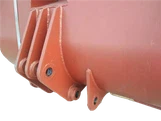
As a supplier of 1-cubic meter buckets, I've encountered numerous inquiries regarding the transportation of these hefty and essential items. Transporting a 1-cubic meter bucket is not a straightforward task; it requires careful planning, the right equipment, and adherence to safety regulations. In this blog post, I'll share some valuable insights and practical tips on how to transport a 1-cubic meter bucket effectively and safely.
Understanding the Challenges
Before delving into the transportation process, it's crucial to understand the challenges associated with moving a 1-cubic meter bucket. These buckets are typically large and heavy, which can pose difficulties in terms of handling, loading, and securing. Additionally, their size and shape may require special equipment and transportation methods to ensure they reach their destination intact.
One of the primary challenges is the weight of the bucket. A 1-cubic meter bucket can weigh anywhere from a few hundred kilograms to over a ton, depending on the material it's made of and its design. This significant weight requires a vehicle with sufficient towing capacity and a robust suspension system to handle the load safely.
Another challenge is the size of the bucket. Its large dimensions can make it difficult to maneuver and load onto a vehicle. Specialized equipment, such as cranes or forklifts, may be necessary to lift and position the bucket correctly. Moreover, the bucket's shape may require additional securing measures to prevent it from shifting or tipping during transit.
Choosing the Right Transportation Method
Once you've assessed the challenges, the next step is to choose the right transportation method for your 1-cubic meter bucket. There are several options available, each with its own advantages and disadvantages.
Flatbed Trucks
Flatbed trucks are a popular choice for transporting large and heavy items, including 1-cubic meter buckets. They offer a large, open platform that allows for easy loading and unloading of the bucket. Flatbed trucks also provide flexibility in terms of the size and shape of the load they can carry.
When using a flatbed truck, it's essential to ensure that the bucket is properly secured to prevent it from shifting or falling off during transit. This can be achieved by using straps, chains, or other securing devices to anchor the bucket to the truck bed. Additionally, the truck should be equipped with a suitable suspension system to handle the weight of the bucket and provide a smooth ride.
Lowboy Trailers
Lowboy trailers are another option for transporting 1-cubic meter buckets. They are designed to carry heavy and oversized loads and have a low deck height, which makes it easier to load and unload the bucket. Lowboy trailers also offer better stability and handling compared to flatbed trucks, especially when transporting large and heavy items.
Similar to flatbed trucks, the bucket must be securely fastened to the lowboy trailer using appropriate securing methods. The trailer should also be inspected regularly to ensure that it is in good condition and capable of handling the load safely.
Containerized Transportation
If you need to transport the 1-cubic meter bucket over long distances or overseas, containerized transportation may be a viable option. Containers provide a secure and weatherproof environment for the bucket, protecting it from damage during transit. They also offer the advantage of easy handling and stacking, making them suitable for multi-modal transportation.
When choosing a container for your bucket, make sure it is the right size and has sufficient strength to support the weight of the load. The bucket should be properly packed and secured inside the container to prevent it from moving or getting damaged. Additionally, the container should be labeled with the necessary information, such as the contents, weight, and dimensions, to facilitate its handling and transportation.
Preparing the Bucket for Transportation
Before transporting the 1-cubic meter bucket, it's essential to prepare it properly to ensure its safety and integrity during transit. Here are some steps you can take to prepare the bucket for transportation:
Clean the Bucket
Remove any dirt, debris, or loose materials from the bucket to prevent them from causing damage or getting in the way during transportation. A clean bucket is also easier to handle and inspect for any signs of damage.
Inspect the Bucket
Thoroughly inspect the bucket for any cracks, dents, or other damage that could compromise its structural integrity. If any damage is found, it should be repaired or replaced before transporting the bucket. Additionally, check the bucket's attachments, such as bolts and pins, to ensure they are secure and in good condition.
Drain the Bucket
If the bucket contains any liquid or other substances, drain them completely before transportation. This will reduce the weight of the bucket and prevent any spills or leaks during transit.
Secure Loose Parts
If the bucket has any loose parts, such as covers or lids, make sure they are securely fastened or removed to prevent them from falling off or getting lost during transportation.
Loading and Securing the Bucket
Loading and securing the 1-cubic meter bucket onto the transportation vehicle is a critical step that requires careful planning and execution. Here are some guidelines to follow:
Use the Right Equipment
As mentioned earlier, specialized equipment, such as cranes or forklifts, may be necessary to lift and position the bucket correctly. Make sure the equipment is in good condition and has the appropriate capacity to handle the weight of the bucket.
Position the Bucket Correctly
When loading the bucket onto the vehicle, position it in the center of the platform to ensure proper balance and stability. The bucket should be aligned with the vehicle's axles to distribute the weight evenly.
Secure the Bucket
Once the bucket is in position, use straps, chains, or other securing devices to anchor it to the vehicle. Make sure the securing devices are tight and properly adjusted to prevent the bucket from shifting or tipping during transit. Additionally, check the securing devices regularly during the journey to ensure they remain secure.
Ensuring Safety During Transportation
Safety should always be the top priority when transporting a 1-cubic meter bucket. Here are some safety tips to keep in mind:
Follow Traffic Laws
Obey all traffic laws and regulations, including speed limits, traffic signals, and lane usage. Drive carefully and defensively to avoid accidents and ensure the safety of yourself and others on the road.
Check the Load Regularly
Stop periodically during the journey to check the load and ensure that the bucket is still securely fastened. Look for any signs of damage or movement and make any necessary adjustments to the securing devices.
Be Prepared for Emergencies
Carry a first aid kit, a fire extinguisher, and other emergency supplies in case of an accident or other unexpected event. Know the location of the nearest emergency services and have a plan in place for how to respond in case of an emergency.
Additional Considerations
In addition to the above steps, there are some other considerations to keep in mind when transporting a 1-cubic meter bucket.
Insurance
Make sure your transportation vehicle and the bucket are adequately insured to protect against any damage or loss during transit. Check with your insurance provider to understand the coverage options available and ensure that you have the appropriate level of protection.


Permits
Depending on the size and weight of the bucket, you may need to obtain special permits to transport it on public roads. Contact your local transportation authorities to find out what permits are required and how to obtain them.
Environmental Impact
Consider the environmental impact of your transportation method. Choose a vehicle that is fuel-efficient and emits fewer pollutants to reduce your carbon footprint. Additionally, make sure to dispose of any waste or debris generated during the transportation process in an environmentally friendly manner.
Conclusion
Transporting a 1-cubic meter bucket requires careful planning, the right equipment, and adherence to safety regulations. By following the tips and guidelines outlined in this blog post, you can ensure that your bucket is transported safely and efficiently to its destination.
If you're in the market for a 1-cubic meter bucket or other related products, we invite you to explore our range of high-quality 3.5-cubic Meter Bucket, 0.75-cubic Meter Bucket, and 1.5-cubic Meter Bucket. Our experienced team is ready to assist you with your procurement needs and provide you with the best solutions for your project. Contact us today to start the procurement discussion and take the first step towards a successful project.
References
- Transportation Safety Administration Guidelines
- Vehicle Manufacturer's Manuals
- Local Transportation Regulations