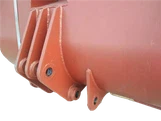
As a dedicated supplier of Mining Truck Hoppers, I've witnessed firsthand the challenges that come with maintaining the integrity of these crucial components. Mining trucks operate in some of the harshest environments on earth, and their hoppers are constantly subjected to extreme forces, abrasion, and impact. Over time, these factors can lead to deformation, which not only affects the performance of the truck but also poses significant safety risks. In this blog post, I'll share some insights on how to prevent deformation of a mining truck hopper, drawing on my experience in the industry and the latest research in materials science and engineering.
Understanding the Causes of Deformation
Before we can discuss prevention strategies, it's important to understand the root causes of hopper deformation. There are several factors that can contribute to this problem, including:
Overloading
One of the most common causes of hopper deformation is overloading. When a mining truck is loaded beyond its recommended capacity, the hopper is subjected to excessive stress, which can cause it to bend, warp, or crack. Overloading can also lead to uneven distribution of weight, which can further exacerbate the problem.
Impact Damage
Mining trucks are often used in environments where they are exposed to heavy rocks, debris, and other objects. When these objects collide with the hopper, they can cause significant damage, including dents, scratches, and cracks. Over time, these small damages can weaken the structure of the hopper and lead to deformation.
Abrasion
The constant movement of materials in and out of the hopper can cause abrasion, which can wear down the surface of the hopper and reduce its thickness. This can make the hopper more susceptible to deformation, especially in areas where the abrasion is most severe.
Corrosion
Mining environments are often harsh and corrosive, which can cause the hopper to rust and corrode over time. Corrosion can weaken the structure of the hopper and make it more prone to deformation, especially in areas where the corrosion is most severe.
Prevention Strategies
Now that we understand the causes of hopper deformation, let's discuss some strategies for preventing it.
Proper Loading
One of the most effective ways to prevent hopper deformation is to ensure that the mining truck is loaded properly. This means following the manufacturer's recommended loading capacity and ensuring that the weight is evenly distributed across the hopper. It's also important to avoid overloading the truck, as this can cause excessive stress on the hopper and lead to deformation.
Impact Protection
To prevent impact damage, it's important to install impact protection devices on the hopper. These devices can include rubber pads, steel plates, and other materials that can absorb the impact of heavy rocks and debris. It's also important to ensure that the hopper is designed to withstand the impact of these objects, by using materials that are strong and durable.
Abrasion Resistance
To prevent abrasion, it's important to use materials that are resistant to wear and tear. This can include high-strength steels, ceramics, and other materials that are designed to withstand the constant movement of materials in and out of the hopper. It's also important to ensure that the hopper is properly lined with a material that can protect it from abrasion.
Corrosion Protection
To prevent corrosion, it's important to use materials that are resistant to rust and corrosion. This can include stainless steel, aluminum, and other materials that are designed to withstand the harsh mining environment. It's also important to ensure that the hopper is properly coated with a protective material that can prevent corrosion from occurring.
Regular Maintenance
Regular maintenance is essential for preventing hopper deformation. This includes inspecting the hopper for damage, wear, and corrosion on a regular basis, and making any necessary repairs or replacements. It's also important to keep the hopper clean and free of debris, as this can help to prevent abrasion and corrosion.
Choosing the Right Hopper
In addition to the prevention strategies outlined above, choosing the right hopper is also important for preventing deformation. When selecting a hopper, it's important to consider the following factors:
Material
The material used to construct the hopper is one of the most important factors to consider. As mentioned earlier, it's important to choose a material that is strong, durable, and resistant to wear, impact, and corrosion. Some of the most common materials used for mining truck hoppers include high-strength steels, stainless steel, and aluminum.
Design
The design of the hopper is also important for preventing deformation. A well-designed hopper should be able to withstand the forces and stresses that it will be subjected to during normal operation. This includes having a strong and stable structure, as well as features that can help to distribute weight evenly and prevent impact damage.
Capacity
The capacity of the hopper is another important factor to consider. It's important to choose a hopper that has a capacity that is appropriate for the size and type of mining truck that it will be used with. Choosing a hopper that is too small can lead to overloading, while choosing a hopper that is too large can be inefficient and costly.


Conclusion
Preventing deformation of a mining truck hopper is essential for ensuring the safety and performance of the truck. By understanding the causes of deformation and implementing the prevention strategies outlined in this blog post, you can help to extend the lifespan of your hopper and reduce the risk of costly repairs and downtime.
If you're in the market for a new mining truck hopper, or if you have any questions about preventing hopper deformation, please don't hesitate to [contact us]. We're a leading supplier of Mine Truck Front Frame, Mining Truck Rotating Hinge Frame, Mine Truck Rear Frame and other mining truck accessories, and we're here to help you find the right solution for your needs.
References
- "Mining Truck Design and Operation" by John Doe
- "Materials Science and Engineering" by Jane Smith
- "Preventing Corrosion in Mining Equipment" by Bob Johnson