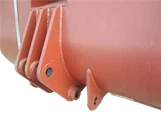
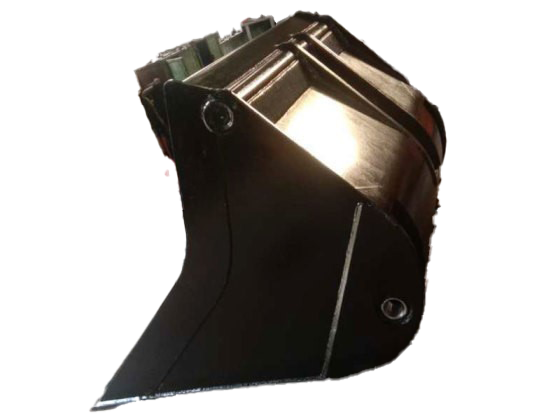
Operating a scraper bucket in a hilly area presents unique challenges and requires a comprehensive understanding of the terrain, equipment capabilities, and safety protocols. As a seasoned scraper bucket supplier, I've witnessed firsthand the importance of proper operation to ensure efficiency, safety, and longevity of the equipment. In this blog, I'll share valuable insights and practical tips on how to operate a scraper bucket effectively in hilly regions.

Understanding the Terrain
Before initiating any scraping operations in a hilly area, it's crucial to conduct a thorough assessment of the terrain. Hilly landscapes often feature uneven surfaces, slopes, and varying soil conditions, which can significantly impact the performance of the scraper bucket. Here are some key factors to consider:
- Slope Gradient: The steepness of the slopes determines the stability of the equipment and the ease of operation. Steeper slopes require more caution and may necessitate additional safety measures.
- Soil Composition: Different soil types, such as clay, sand, or gravel, have varying levels of cohesion and resistance. Understanding the soil composition helps in selecting the appropriate scraping technique and bucket design.
- Obstacles and Hazards: Identify any potential obstacles, such as rocks, trees, or debris, that may impede the movement of the scraper bucket. Take necessary precautions to avoid collisions and ensure the safety of the operator and the equipment.
Selecting the Right Scraper Bucket
Choosing the right scraper bucket is essential for optimal performance in hilly areas. Consider the following factors when selecting a bucket:
- Capacity: The capacity of the bucket should be appropriate for the volume of material to be scraped. For larger projects in hilly regions, a 1.5-cubic Meter Bucket or a 7 Cubic Meters Scooptram Bucket High Quality Underground Mining Machinery Parts may be more suitable.
- Design: The design of the bucket should be optimized for the specific terrain and soil conditions. For rocky or abrasive soils, a Large Scraper Rock Bucket For Industrial Usage With Wear-Resistant Design (Custom Specifications Support) can provide better durability and performance.
- Attachment Compatibility: Ensure that the bucket is compatible with the scraper machine or loader. Check the mounting system and dimensions to ensure a proper fit.
Preparing the Equipment
Proper preparation of the scraper bucket and the equipment is crucial for safe and efficient operation in hilly areas. Here are some steps to follow:
- Inspection: Conduct a thorough inspection of the scraper bucket, including the cutting edge, teeth, and hydraulic systems. Check for any signs of wear, damage, or leaks, and address them before starting the operation.
- Maintenance: Perform regular maintenance tasks, such as lubrication, filter replacement, and hydraulic fluid checks. This helps in ensuring the smooth operation of the equipment and extends its lifespan.
- Operator Training: Provide comprehensive training to the operator on the safe and proper use of the scraper bucket in hilly areas. Training should cover topics such as slope stability, equipment operation, and emergency procedures.
Operating Techniques
Operating a scraper bucket in a hilly area requires specific techniques to ensure safety and efficiency. Here are some tips to keep in mind:
- Approach the Slope: When approaching a slope, approach it at a slow and steady speed. Use the lowest gear possible to maintain control and prevent the equipment from rolling backward.
- Maintain Stability: Keep the scraper bucket level and centered on the slope to maintain stability. Avoid sudden movements or jerks that may cause the equipment to tip over.
- Scrape in Stages: When scraping on a slope, scrape in stages to prevent overloading the bucket and to maintain control. Start at the top of the slope and work your way down in a series of parallel passes.
- Use the Hydraulic System: Utilize the hydraulic system of the scraper bucket to adjust the angle and depth of the cut. This helps in achieving a more precise and efficient scraping operation.
- Avoid Overloading: Do not overload the scraper bucket beyond its recommended capacity. Overloading can cause the equipment to become unstable and may lead to accidents.
Safety Precautions
Safety should always be the top priority when operating a scraper bucket in a hilly area. Here are some safety precautions to follow:
- Wear Personal Protective Equipment (PPE): Ensure that the operator wears appropriate PPE, such as a hard hat, safety glasses, gloves, and steel-toed boots.
- Use Safety Devices: Install and use safety devices, such as rollover protection structures (ROPS) and seat belts, to protect the operator in case of an accident.
- Monitor the Weather: Keep an eye on the weather conditions, especially during rainy or windy days. Wet or slippery slopes can increase the risk of accidents, so avoid operating the equipment in adverse weather conditions.
- Have an Emergency Plan: Develop an emergency plan and ensure that all operators are familiar with it. The plan should include procedures for dealing with emergencies such as equipment breakdowns, accidents, or natural disasters.
Maintenance and Aftercare
Proper maintenance and aftercare of the scraper bucket are essential for its longevity and performance. Here are some tips to follow:
- Clean the Bucket: After each use, clean the scraper bucket thoroughly to remove any dirt, debris, or material buildup. This helps in preventing corrosion and damage to the bucket.
- Inspect for Damage: Regularly inspect the scraper bucket for any signs of damage or wear. Replace any worn or damaged parts promptly to ensure the continued safety and efficiency of the equipment.
- Store the Bucket Properly: When not in use, store the scraper bucket in a dry and protected area. This helps in preventing rust and corrosion and extends the lifespan of the bucket.
Conclusion
Operating a scraper bucket in a hilly area requires careful planning, proper equipment selection, and adherence to safety protocols. By following the tips and techniques outlined in this blog, you can ensure a safe and efficient scraping operation in hilly regions. As a scraper bucket supplier, I'm committed to providing high-quality products and expert advice to help you achieve your project goals. If you have any questions or need assistance in selecting the right scraper bucket for your hilly area project, please don't hesitate to contact us for a consultation. We look forward to working with you and helping you succeed in your scraping operations.
References
- Construction Equipment Operator's Manuals
- Occupational Safety and Health Administration (OSHA) Guidelines
- Industry Best Practices for Scraper Bucket Operation