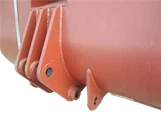
Hey there! As a supplier of Low - profile Scraper, I've seen firsthand how these machines can make a huge difference in various industries, especially mining. In this blog, I'm gonna share some tips on how to maintain a low - profile scraper to keep it running smoothly and efficiently.
Why Maintenance Matters
First off, let's talk about why maintenance is so important. A well - maintained low - profile scraper can save you a ton of money in the long run. It reduces the risk of breakdowns, which can lead to costly downtime. Plus, regular maintenance ensures that the scraper operates at its peak performance, increasing productivity and safety on the job site.
Regular Inspections
One of the most crucial aspects of maintenance is regular inspections. You should inspect your Low-profile Scraper before each use. Check the tires (if it's wheeled), tracks (if it's tracked), and the overall structure for any signs of damage or wear. Look for cracks, leaks, or loose parts. Pay special attention to the cutting edge of the blade. A dull or damaged blade can reduce the scraper's efficiency and put extra strain on the machine.

Inspect the hydraulic system as well. Hydraulic fluid levels should be checked regularly, and any signs of leaks should be addressed immediately. The hoses and fittings should also be inspected for wear and tear. A hydraulic system failure can be a real headache, so it's better to catch problems early.
Lubrication
Proper lubrication is key to keeping your low - profile scraper in good shape. All moving parts, such as bearings, joints, and pins, need to be lubricated regularly. Use the recommended lubricant for each part, as different components may require different types of grease or oil. Follow the manufacturer's guidelines on how often to lubricate and how much lubricant to use.
Don't forget about the engine. Regular oil changes are essential for the engine's longevity. Check the oil level frequently and change the oil and oil filter at the recommended intervals. A well - lubricated engine runs more smoothly and is less likely to overheat or suffer from premature wear.
Cleaning
Keeping your low - profile scraper clean is not just about aesthetics; it's also important for its performance. After each use, clean the scraper to remove dirt, debris, and any other materials that may have accumulated on the machine. Pay special attention to the radiator and air filters. A clogged radiator can cause the engine to overheat, and dirty air filters can reduce engine efficiency.
Use a pressure washer or a hose to clean the exterior of the scraper. Be careful not to direct the water jet at sensitive components, such as electrical connections. If there are any stubborn stains or debris, you can use a mild detergent to clean them.
Operator Training
Another important factor in maintaining a low - profile scraper is proper operator training. A well - trained operator knows how to use the machine correctly, which can prevent unnecessary wear and tear. Operators should be familiar with the machine's controls, safety features, and maintenance requirements.
Encourage operators to report any issues or abnormalities they notice during operation. Early detection of problems can prevent them from becoming major issues. Provide regular training sessions to keep operators up - to - date with the latest maintenance and operation techniques.
Storage
When the low - profile scraper is not in use, proper storage is essential. Store the machine in a dry, sheltered area to protect it from the elements. If possible, cover the scraper with a tarp to prevent dust and debris from accumulating on it.
Before storing the machine for an extended period, take some additional steps. Drain the fuel tank and run the engine until it stops to prevent fuel from sitting in the system and causing corrosion. Disconnect the battery to prevent it from discharging.
Parts Replacement
Over time, some parts of the low - profile scraper will need to be replaced. Keep an inventory of commonly replaced parts, such as filters, belts, and hoses. When it's time to replace a part, make sure to use high - quality, genuine parts. Using inferior parts can lead to poor performance and may even damage the machine.
You can find a wide range of parts for your Professional Mine Scoop Factory-produced Underground Scraper For Mining from reliable suppliers. Make sure to do your research and choose a supplier that offers good quality parts at a reasonable price.
Monitoring Performance
Finally, it's important to monitor the performance of your low - profile scraper. Keep track of things like fuel consumption, engine temperature, and operating hours. Any significant changes in these parameters could indicate a problem. For example, an increase in fuel consumption may mean that the engine is not running efficiently, or a rise in engine temperature could be a sign of a cooling system issue.
Use diagnostic tools if available to help you identify and troubleshoot problems. Many modern low - profile scrapers come with built - in diagnostic systems that can provide valuable information about the machine's performance.
In conclusion, maintaining a low - profile scraper requires a combination of regular inspections, proper lubrication, cleaning, operator training, and parts replacement. By following these tips, you can keep your scraper running smoothly and efficiently, saving you time and money in the long run.
If you're in the market for a high - quality low - profile scraper or need more information on maintenance, feel free to reach out. We're here to help you make the best choice for your business. Let's start a conversation about how we can meet your needs and keep your operations running at their best.
References
- Manufacturer's manuals for low - profile scrapers
- Industry best practices for heavy equipment maintenance