

Cleaning a 4 - Cubic Meter Bucket is an essential maintenance task that not only extends the lifespan of the equipment but also ensures its optimal performance. As a leading supplier of 4 - Cubic Meter Buckets, I understand the importance of proper cleaning and maintenance. In this blog, I'll share some professional tips on how to clean a 4 - Cubic Meter Bucket effectively.
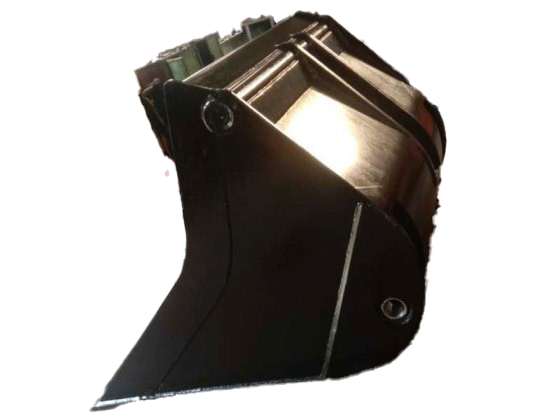

Understanding the Importance of Cleaning
Before diving into the cleaning process, it's crucial to understand why cleaning a 4 - Cubic Meter Bucket is so important. Over time, buckets accumulate dirt, debris, and various substances from the materials they handle. This buildup can cause several problems. For example, it can increase the weight of the bucket, reducing its efficiency and potentially causing additional stress on the equipment's lifting mechanism. Moreover, certain materials, such as corrosive chemicals or abrasive substances, can damage the bucket's surface if left uncleaned, leading to premature wear and tear.
Pre - Cleaning Preparation
- Safety First: Always prioritize safety when cleaning a 4 - Cubic Meter Bucket. Wear appropriate personal protective equipment (PPE), including safety goggles, gloves, and steel - toe boots. If the bucket has been used to handle hazardous materials, additional protective gear such as respirators may be required.
- Inspect the Bucket: Before starting the cleaning process, conduct a thorough inspection of the bucket. Look for any signs of damage, such as cracks, dents, or loose parts. If you notice any issues, address them before cleaning to prevent further damage during the process.
- Empty the Bucket: Ensure that the bucket is completely empty. Remove any large pieces of debris or materials manually. If the bucket contains wet or sticky substances, use a shovel or other appropriate tools to scrape out as much as possible.
Cleaning Methods
Manual Cleaning
- Scrubbing: For relatively light dirt and debris, manual scrubbing can be an effective method. Use a stiff - bristled brush and a suitable cleaning solution. A mixture of mild detergent and water is often sufficient for general cleaning. Scrub the interior and exterior of the bucket thoroughly, paying special attention to corners and crevices where dirt tends to accumulate.
- Pressure Washing: Pressure washing can significantly speed up the cleaning process. Adjust the pressure of the washer according to the type of dirt and the condition of the bucket. A high - pressure setting can be used for stubborn stains, but be careful not to damage the bucket's surface. Start from the top of the bucket and work your way down, ensuring that all areas are covered.
Chemical Cleaning
- Degreasers: If the bucket has been used to handle oily or greasy substances, a degreaser may be necessary. Choose a degreaser that is suitable for the material of the bucket. Apply the degreaser to the affected areas and let it sit for the recommended time. Then, use a brush or pressure washer to remove the loosened grease.
- Acidic or Alkaline Cleaners: For certain types of stains, such as mineral deposits or rust, acidic or alkaline cleaners may be required. However, these cleaners can be corrosive, so it's important to follow the manufacturer's instructions carefully. Wear additional protective gear when using these cleaners and rinse the bucket thoroughly after cleaning to remove any residue.
Drying and Post - Cleaning Inspection
- Drying: After cleaning, allow the bucket to dry completely. If possible, place the bucket in a well - ventilated area or use a fan to speed up the drying process. Moisture left in the bucket can lead to rust and corrosion.
- Inspection: Once the bucket is dry, conduct another inspection. Check for any remaining dirt or damage. If necessary, repeat the cleaning process in specific areas.
Maintenance Tips
- Regular Cleaning Schedule: Establish a regular cleaning schedule for your 4 - Cubic Meter Bucket. Depending on the frequency of use and the type of materials handled, cleaning may be required weekly, monthly, or quarterly.
- Lubrication: If the bucket has moving parts, such as hinges or hydraulic cylinders, lubricate them regularly to ensure smooth operation. Use a high - quality lubricant recommended by the manufacturer.
- Storage: When not in use, store the bucket in a dry and protected area. This can prevent the accumulation of dirt and damage from the elements.
Our Product Range
As a supplier of 4 - Cubic Meter Buckets, we also offer a wide range of other sizes and types of buckets to meet different customer needs. For example, we have the 2.3 - cubic Meter Bucket and the 2 - cubic Meter Bucket, which are suitable for smaller - scale operations. Additionally, our High Quality Mining Scraper Parts 6 Cubic Bucket is designed for heavy - duty mining applications.
Contact Us for Purchase and Consultation
If you are interested in purchasing a 4 - Cubic Meter Bucket or any of our other products, or if you have any questions about cleaning and maintaining your bucket, please feel free to contact us. Our team of experts is ready to provide you with professional advice and support. We look forward to working with you to meet your equipment needs.
References
- "Industrial Equipment Maintenance Handbook" by John Doe
- "Best Practices for Cleaning Heavy - Duty Equipment" published by the Equipment Maintenance Association




