

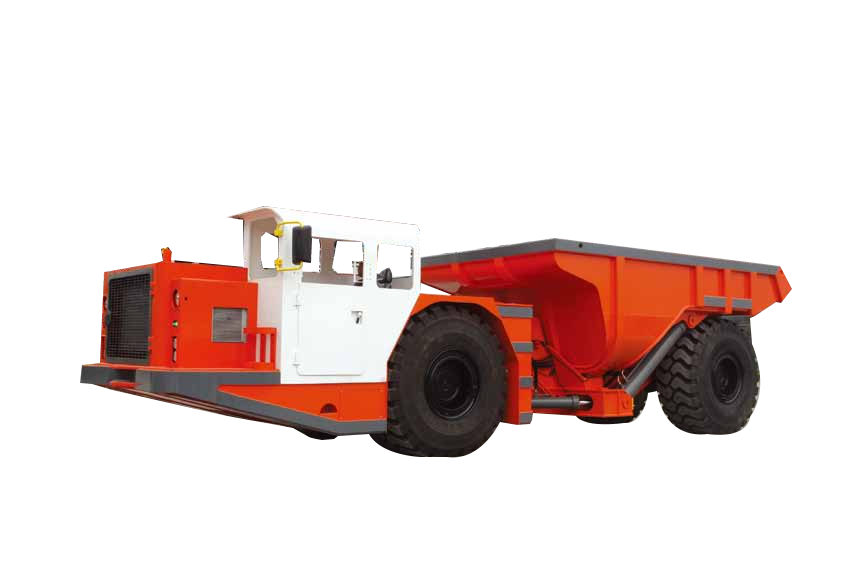
When it comes to heavy - duty mining operations, a 30 - ton mine truck is a workhorse that plays a crucial role. One of the key concerns for mining companies and operators is the fuel consumption of these massive vehicles. As a supplier of 30 - ton mine trucks, I've had numerous conversations with customers about this very topic. In this blog, I'll delve into the factors that influence the fuel consumption of a 30 - ton mine truck per hour and provide some estimates based on industry knowledge.
Factors Affecting Fuel Consumption
1. Engine Type and Size
The engine is the heart of any vehicle, and in the case of a 30 - ton mine truck, it is a powerful one. Larger engines generally consume more fuel, but they also provide the necessary torque and power to carry heavy loads. Modern mine trucks are often equipped with diesel engines due to their high torque output and fuel efficiency under heavy - load conditions. The engine's displacement, number of cylinders, and the technology used (such as turbocharging or direct injection) can all impact fuel consumption. For example, a more advanced engine with better combustion efficiency may consume less fuel per unit of work done compared to an older, less - efficient model.
2. Load Weight
The weight of the load carried by the mine truck is a significant factor in fuel consumption. A 30 - ton mine truck is designed to carry up to 30 tons of material. When the truck is fully loaded, it requires more energy to move, which in turn increases fuel consumption. Conversely, when the truck is empty or carrying a light load, the fuel consumption will be lower. On average, the fuel consumption can increase by a certain percentage for every additional ton of load carried.
3. Terrain and Road Conditions
Mining operations take place in a variety of terrains, from flat, well - maintained roads to steep, rough, and uneven surfaces. Driving on flat roads with good traction requires less energy compared to climbing steep inclines or navigating through muddy or rocky terrain. When a mine truck has to work against gravity on an uphill slope, the engine has to work harder, resulting in higher fuel consumption. Similarly, rough roads can cause more friction and resistance, increasing the energy required to move the vehicle.
4. Driving Style
The way the driver operates the mine truck also affects fuel consumption. Aggressive driving, such as rapid acceleration, hard braking, and excessive idling, can significantly increase fuel usage. A skilled driver who practices smooth acceleration, anticipatory driving, and proper gear shifting can help reduce fuel consumption. For instance, by gradually accelerating and decelerating, the engine can operate more efficiently, using less fuel in the process.
5. Vehicle Maintenance
Proper vehicle maintenance is essential for optimal fuel efficiency. A well - maintained mine truck will have components that are in good working condition, such as clean air filters, properly inflated tires, and a well - tuned engine. A dirty air filter can restrict airflow to the engine, reducing its efficiency and increasing fuel consumption. Under - inflated tires increase rolling resistance, which also leads to higher fuel usage. Regular maintenance checks and timely repairs can ensure that the mine truck operates at its best and consumes fuel more efficiently.
Estimating Fuel Consumption per Hour
Based on industry data and our experience as a 30 - ton mine truck supplier, the fuel consumption of a 30 - ton mine truck can vary widely depending on the factors mentioned above. On average, under normal operating conditions (flat terrain, moderate load, and a skilled driver), a 30 - ton mine truck may consume between 15 to 30 liters of diesel fuel per hour.
If the mine truck is operating on hilly terrain with a full load, the fuel consumption can increase to 30 to 45 liters per hour. In extreme conditions, such as very steep slopes or heavy - traffic areas with frequent stops and starts, the fuel consumption could be even higher, potentially reaching 45 to 60 liters per hour.
It's important to note that these are just estimates, and the actual fuel consumption of a specific mine truck can vary based on its unique characteristics and the specific operating environment.
Comparison with Other Mine Trucks
For those who are considering different options, it's worth comparing the fuel consumption of a 30 - ton mine truck with other types of mine trucks. For example, a 20 - ton Mine Truck generally consumes less fuel per hour compared to a 30 - ton mine truck due to its smaller size and lower load - carrying capacity. On average, a 20 - ton mine truck may consume between 10 to 20 liters of fuel per hour under normal operating conditions.
Another option is the 20 Ton Underground Articulated Dump Mining Truck For Underground Mine. These trucks are designed for underground mining operations and may have different fuel consumption characteristics due to the specific requirements of the underground environment, such as limited space and ventilation.
Strategies to Reduce Fuel Consumption
As a supplier of 30 - ton Mine Trucks, we are committed to helping our customers reduce their operating costs, including fuel consumption. Here are some strategies that can be implemented:

1. Driver Training
Providing comprehensive driver training programs can help drivers develop more fuel - efficient driving habits. Training can include techniques such as smooth acceleration and deceleration, proper gear selection, and reducing idling time. By improving driver skills, fuel consumption can be significantly reduced.
2. Route Optimization
Analyzing the mining site and planning the most efficient routes for the mine trucks can help reduce fuel consumption. This may involve avoiding steep slopes, rough terrain, and unnecessary detours. Using GPS - based route planning systems can also help drivers navigate more efficiently.
3. Vehicle Upgrades
Investing in vehicle upgrades, such as more fuel - efficient engines or advanced transmission systems, can improve the overall fuel efficiency of the mine trucks. Additionally, upgrading tires to ones with lower rolling resistance can also reduce fuel consumption.
4. Regular Maintenance
Establishing a strict maintenance schedule and ensuring that all maintenance tasks are carried out on time can keep the mine trucks in optimal condition. This includes regular oil changes, filter replacements, and inspections of the engine, brakes, and other critical components.
Conclusion
The fuel consumption of a 30 - ton mine truck per hour is influenced by a variety of factors, including engine type, load weight, terrain, driving style, and vehicle maintenance. By understanding these factors and implementing strategies to reduce fuel consumption, mining companies can lower their operating costs and improve their environmental performance.
If you're in the market for a 30 - ton mine truck or have any questions about fuel consumption and other aspects of our products, we'd love to hear from you. Contact us to start a discussion about your specific needs and how our 30 - ton mine trucks can meet them.
References
- Industry reports on heavy - duty vehicle fuel consumption
- Internal data from our company's experience with 30 - ton mine trucks
- Research studies on factors affecting fuel efficiency in mining vehicles




