

Hey there! As a supplier of mining trucks, I often get asked about how different systems in these beasts work. One of the most crucial components is the fuel - injection system. So, let's dive right in and break down how the fuel - injection system works in a mining truck.
First off, let me give you a quick background. Mining trucks are massive machines designed to haul large amounts of materials in mining operations. They need a reliable and efficient fuel - injection system to keep them running, as they operate in some of the harshest conditions on the planet.
The Basics of a Fuel - Injection System
The fuel - injection system's main job is to deliver the right amount of fuel to the engine's cylinders at the right time. This is super important because it affects the engine's performance, fuel efficiency, and emissions.
There are different types of fuel - injection systems, but most modern mining trucks use electronic fuel - injection (EFI) systems. Unlike older carburetor systems, which mixed air and fuel in a simple mechanical way, EFI systems are more precise and controlled by a computer.
Key Components of the Fuel - Injection System
Fuel Tank
This is where all the fuel is stored. In a mining truck, the fuel tank is huge because these trucks need to run for long periods without refueling. The fuel tank is connected to the rest of the system by a fuel line, which is a thick, sturdy pipe that can withstand the vibrations and rough terrain of mining sites.
Fuel Pump
The fuel pump is the heart of the fuel - delivery part of the system. It's responsible for sucking fuel out of the tank and pushing it through the fuel line to the injectors. Mining truck fuel pumps are powerful because they need to provide a consistent supply of fuel at high pressure.
Fuel Injectors
These are the nozzles that actually spray the fuel into the engine's cylinders. They're precise little devices that can open and close very quickly, allowing just the right amount of fuel to enter the cylinder. The injectors are controlled by the engine control unit (ECU), which is like the brain of the engine.
Engine Control Unit (ECU)
The ECU is a computer that monitors a whole bunch of sensors in the engine. These sensors measure things like the engine's temperature, the amount of air entering the engine, and the speed of the vehicle. Based on this information, the ECU decides how much fuel needs to be injected into each cylinder at any given time.
How the System Works Step by Step
Step 1: Fuel Storage
The mining truck starts with a full load of fuel in the tank. The fuel is typically diesel, which is a high - energy fuel that's well - suited for heavy - duty applications like mining.
Step 2: Pumping the Fuel
Once the engine is turned on, the fuel pump starts working. It creates a vacuum that sucks fuel from the tank and then pressurizes it. The pressurized fuel is then sent through the fuel line to the fuel rail, which is a pipe that distributes the fuel to all the injectors.
Step 3: Sensor Data Collection
The ECU constantly collects data from various sensors. For example, the mass airflow sensor measures how much air is entering the engine. The oxygen sensor in the exhaust system measures the amount of oxygen in the exhaust gases. This helps the ECU figure out if the engine is running too rich (too much fuel) or too lean (not enough fuel).
Step 4: Injecting the Fuel
Based on the data from the sensors, the ECU sends a signal to the fuel injectors. The injectors open and close rapidly, spraying a fine mist of fuel into the engine's cylinders. The fuel mixes with the incoming air, creating a combustible mixture.
Step 5: Combustion
Once the fuel - air mixture is in the cylinder, the spark plug (in a gasoline engine) or the heat of compression (in a diesel engine) ignites it. This explosion forces the piston down, which turns the crankshaft and ultimately powers the wheels of the mining truck.
Importance of a Well - Functioning Fuel - Injection System
A well - functioning fuel - injection system is crucial for several reasons. First of all, it ensures that the engine runs smoothly and efficiently. When the right amount of fuel is injected at the right time, the engine can produce more power while using less fuel. This means lower operating costs for mining companies.
Secondly, it helps to reduce emissions. A properly calibrated fuel - injection system can burn the fuel more completely, which means fewer harmful pollutants are released into the environment. This is becoming increasingly important as environmental regulations become stricter.
Our Mining Trucks and Their Fuel - Injection Systems
At our company, we take pride in offering high - quality mining trucks with state - of the - art fuel - injection systems. We understand that reliability and efficiency are key in the mining industry. That's why we use the latest technology and the best components in our trucks.
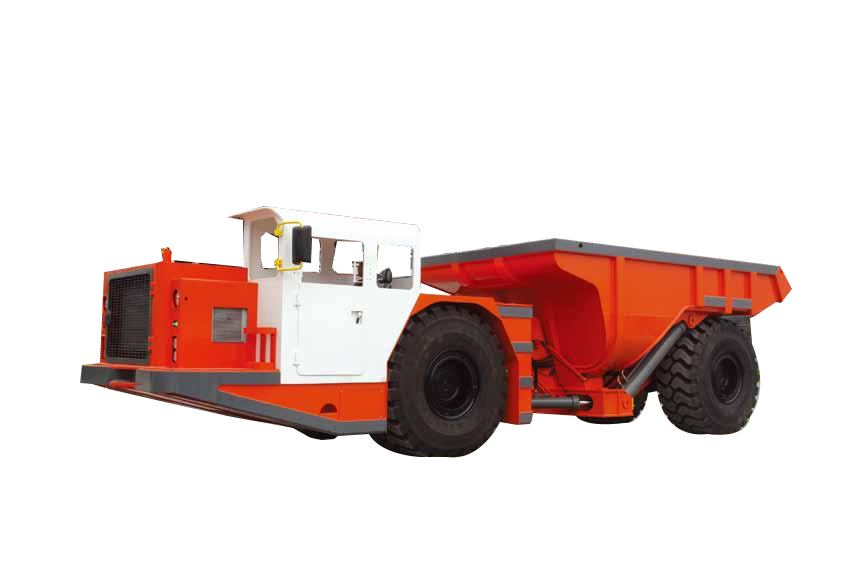
For example, our 12 - ton Mine Truck is a versatile and powerful machine. Its fuel - injection system is designed to provide optimal performance even in demanding conditions. The same goes for our 50 - ton Mine Truck, which is a heavy - hitter in the mining world.
And if you're looking for high - quality accessories for your mining truck, check out our Quality Light Truck Frame From Professional Factory. These frames are built to last and can enhance the performance of your truck.
Contact Us for More Information
If you're in the market for a mining truck or want to learn more about our fuel - injection systems, don't hesitate to reach out. We're here to answer any questions you might have and help you find the perfect truck for your mining operation. Whether you're a small - scale mining outfit or a large - scale corporation, we've got the solutions you need.

References
- Heywood, J. B. (1988). Internal Combustion Engine Fundamentals. McGraw - Hill.
- Stone, R. (2012). Introduction to Internal Combustion Engines. Society of Automotive Engineers.




