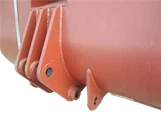
As a seasoned supplier in the scraper bucket industry, I've witnessed firsthand the pivotal role these tools play in various construction, mining, and earth - moving operations. In this blog, I'll delve into the fascinating mechanics of how the blade of a scraper bucket works, offering insights into its design, functionality, and real - world applications.
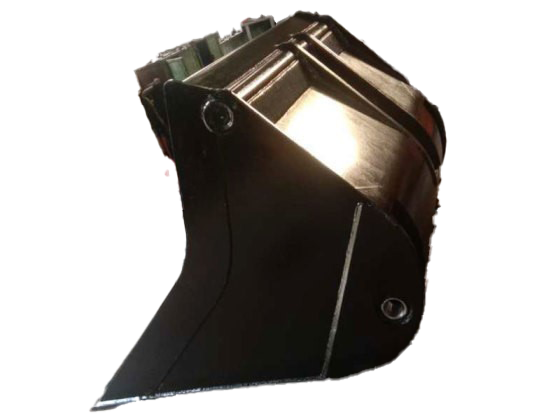

The Basics of a Scraper Bucket Blade
The blade of a scraper bucket is the front - line component that interacts directly with the material being excavated or moved. It is typically made from high - strength steel alloys to withstand the extreme forces and abrasion it encounters. The blade's primary function is to cut into the ground, break up the soil, rocks, or other materials, and then direct them into the bucket's interior.
Design Considerations for the Blade
- Shape and Profile
The shape of the blade is crucial for its performance. A sharp, angled blade is more effective at cutting into hard materials. For instance, a V - shaped blade can concentrate the cutting force at the tip, making it easier to penetrate compacted soil or rocky surfaces. On the other hand, a straight - edged blade is better suited for scraping and leveling operations. Our 4 - cubic Meter Bucket is designed with a blade profile optimized for a wide range of materials, ensuring efficient material collection. - Material Selection
Selecting the right material for the blade is essential for durability. High - carbon steels are commonly used due to their excellent hardness and wear resistance. However, for more demanding applications, such as mining operations, alloy steels with added elements like chromium, nickel, and molybdenum are preferred. These alloys offer enhanced toughness and corrosion resistance, which are vital in harsh environments. Our Large Scraper Rock Bucket For Industrial Usage With Wear - Resistant Design (Custom Specifications Support) features a blade made from a high - grade alloy steel, providing long - lasting performance even in the most challenging conditions. - Blade Thickness
The thickness of the blade affects its strength and cutting ability. A thicker blade is more resistant to bending and breaking but may require more force to penetrate the material. Conversely, a thinner blade is more flexible and can cut more easily but may wear out faster. The ideal blade thickness depends on the type of material being handled and the operating conditions. For light - duty applications, a thinner blade may be sufficient, while heavy - duty operations demand a thicker blade. Our 1 - cubic Meter Side Support Frame is designed with a blade thickness that strikes the right balance between strength and cutting efficiency.
How the Blade Works in Operation
- Initial Penetration
When the scraper bucket is lowered onto the ground, the blade makes the first contact. The operator applies downward pressure, and the sharp edge of the blade begins to cut into the material. The angle of the blade and the force applied determine how easily it can penetrate the surface. In soft soils, the blade can quickly cut through, while in harder materials, more force and sometimes a rocking motion may be required to break up the material. - Material Displacement
As the blade cuts into the material, it displaces the soil, rocks, or other debris. The shape of the blade and the movement of the bucket help to direct the material towards the interior of the bucket. The blade's edge acts like a plow, pushing the material aside and into the bucket's opening. This process continues as the bucket moves forward, gradually filling the bucket with the excavated material. - Loading and Dumping
Once the bucket is filled, the blade's role changes. During the dumping process, the blade helps to release the material from the bucket. By tilting the bucket, the blade can scrape the remaining material from the bottom of the bucket, ensuring a complete discharge. This efficient loading and dumping mechanism is crucial for maximizing productivity on the job site.
Real - World Applications
- Construction Sites
On construction sites, scraper buckets are used for various tasks, such as digging foundations, grading land, and moving large amounts of soil. The blade's ability to cut through different types of soil and debris makes it an indispensable tool. For example, when building a new road, the scraper bucket can be used to clear the construction area, remove topsoil, and prepare the ground for paving. - Mining Operations
In mining, scraper buckets are used to extract minerals and ores from the ground. The blade must be able to cut through hard rock and withstand the abrasive nature of the materials. Our wear - resistant blades are specifically designed for these harsh mining environments, ensuring reliable performance and long service life. - Agriculture
In agriculture, scraper buckets are used for tasks like land leveling, digging irrigation channels, and moving manure. The blade's ability to scrape and level the ground helps to improve the efficiency of farming operations.
Maintenance and Care of the Blade
Proper maintenance of the blade is essential for its optimal performance and longevity. Regular inspections should be carried out to check for signs of wear, damage, or cracks. If the blade is worn beyond a certain point, it should be replaced to ensure continued efficiency. Lubrication of the blade's moving parts can also help to reduce friction and wear. Additionally, storing the scraper bucket in a dry and protected environment can prevent corrosion and rust.
Conclusion
The blade of a scraper bucket is a critical component that determines the bucket's performance and efficiency. Its design, material selection, and operation are all carefully considered to ensure that it can handle a wide range of materials and applications. As a scraper bucket supplier, we are committed to providing high - quality products with blades that are engineered for maximum performance and durability.
If you're in the market for a reliable scraper bucket or have any questions about our products, we encourage you to reach out to us for a consultation. Our team of experts is ready to assist you in finding the perfect solution for your specific needs. Whether you're involved in construction, mining, or agriculture, we have the right scraper bucket for you.
References
- Smith, J. (2018). "Advanced Earth - Moving Equipment: Design and Operation." Publisher XYZ.
- Johnson, A. (2020). "Materials for Heavy - Duty Construction Tools." Journal of Construction Materials, Vol. 15, Issue 2.
- Brown, C. (2019). "Optimizing Scraper Bucket Performance." Construction Technology Review, Vol. 22, Issue 3.