Hey there! As a supplier of 30 - Ton Mine Trucks, I've gotten a ton of questions about how these beasts' engine governors control speed. So, I thought I'd break it down for you in this blog.
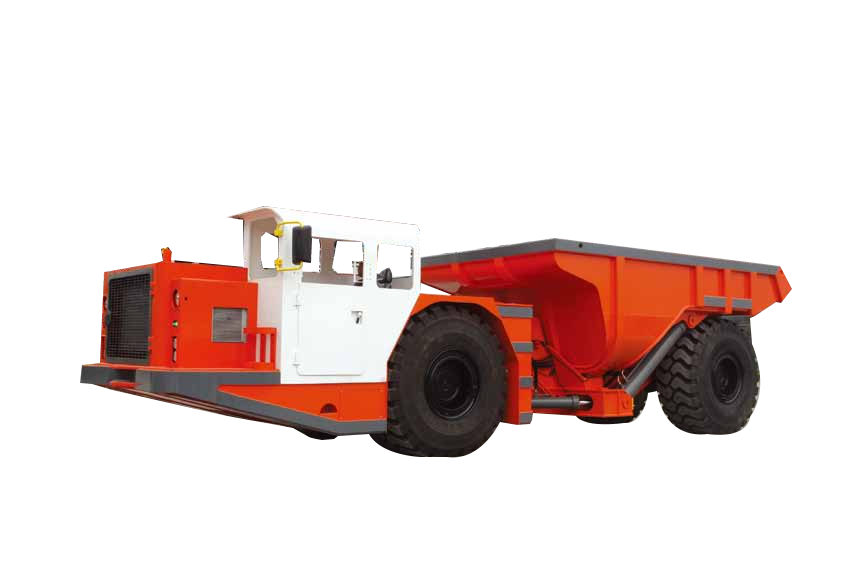
First off, let's talk a bit about these 30 - Ton Mine Trucks. They're some of the workhorses in the mining industry. These trucks are built tough to handle the heavy loads and rough terrains in mines. If you're interested in getting one, you can check out our 30 - ton Mine Truck page. It's got all the details you need about the specs and features. And if you're looking for a hot - selling high - quality option, take a look at our Hot Selling High - Quality 30 Ton Mine Underground Mining Hauler Mine Dump Truck For Sale.
Now, let's dive into the engine governor. The engine governor is like the traffic cop of the engine. Its main job is to keep the engine running at a safe and efficient speed. In a 30 - Ton Mine Truck, this is super important because of the heavy loads and the need for consistent power.

There are basically two types of engine governors: mechanical and electronic.
Mechanical Governors
Mechanical governors have been around for a long time. They're pretty simple in design but still do a great job. A mechanical governor usually consists of weights, springs, and linkages. As the engine speed increases, the weights start to fly outwards due to centrifugal force. This movement is then transferred through the linkages to the throttle. When the weights move out, they pull on the linkages, which in turn close the throttle a bit, reducing the amount of fuel going into the engine. This slows down the engine.
Conversely, when the engine speed drops, the weights move back inwards because the centrifugal force is reduced. The linkages then open the throttle, allowing more fuel to enter the engine, and the speed goes up.
One of the advantages of mechanical governors is their simplicity. They're relatively easy to understand and maintain. You don't need a whole bunch of high - tech tools to work on them. However, they do have some limitations. They're not as precise as electronic governors. For example, they might not be able to adjust the speed as quickly in response to sudden changes in load.
Electronic Governors
Electronic governors are the more modern option. They use sensors and a control unit to manage the engine speed. The sensors constantly monitor the engine's speed, load, and other parameters. The control unit then analyzes this data and sends signals to the fuel injection system or the throttle actuator to adjust the engine speed.
In a 30 - Ton Mine Truck, electronic governors offer several benefits. They can make very precise adjustments to the engine speed. For instance, if the truck is going up a steep incline with a full load, the electronic governor can quickly increase the fuel supply to maintain the speed. And when going downhill, it can reduce the fuel supply to prevent the engine from over - speeding.
Another advantage is that electronic governors can be programmed. You can set different speed limits depending on the operating conditions. This is really useful in a mining environment where safety is a top priority. You can set a lower speed limit in areas with lots of workers or in tight spaces.
However, electronic governors are more complex than mechanical ones. They require specialized diagnostic tools for maintenance and repair. And if there's a problem with the sensors or the control unit, it can be a bit tricky to troubleshoot.
How the Governor Works in Different Situations
Let's take a look at how the governor functions in different scenarios during the operation of a 30 - Ton Mine Truck.
Starting the Truck
When you start the 30 - Ton Mine Truck, the governor plays a crucial role. The engine needs to reach an idle speed quickly and smoothly. The governor ensures that the engine doesn't rev too high or stall during startup. It adjusts the fuel supply to keep the engine running at a stable idle speed. This is important because a rough or unstable idle can cause unnecessary wear and tear on the engine components.
Acceleration
As you press the accelerator pedal to get the truck moving, the governor allows more fuel to enter the engine. But it doesn't just let the engine go wild. It carefully regulates the fuel flow to ensure a smooth and controlled acceleration. If the governor didn't do its job, the engine could either bog down and not provide enough power to move the heavy load, or it could over - rev and cause damage.
Climbing Hills
When the truck is climbing a hill, the load on the engine increases significantly. The governor senses this increase in load through the drop in engine speed. It then opens the throttle wider or increases the fuel injection to maintain the speed. This is crucial because if the speed drops too much, the truck might not be able to make it up the hill. And if the governor didn't respond quickly enough, the engine could stall.
Descending Hills
Going downhill is a different story. The weight of the truck and the load can cause the engine to speed up. The governor senses this increase in speed and reduces the fuel supply to prevent the engine from over - speeding. This not only protects the engine but also helps with braking. In some cases, the governor can work in conjunction with the engine braking system to control the truck's speed safely.
Carrying Different Loads
The 30 - Ton Mine Truck is designed to carry different loads. Whether it's a full 30 - ton load or a lighter load, the governor has to adjust the engine speed accordingly. With a full load, the engine needs more power to move the truck, so the governor allows more fuel to enter the engine. When the load is lighter, less fuel is needed, and the governor reduces the fuel supply.
Comparing with 20 - Ton Mine Trucks
You might be wondering how the engine governor in a 30 - Ton Mine Truck compares to that in a 20 - ton Mine Truck. The basic principles are the same, but there are some differences.
The 30 - Ton Mine Truck has a larger and more powerful engine to handle the heavier load. So, the governor in a 30 - Ton Mine Truck has to manage a greater amount of fuel and power. It needs to be more robust and have a wider range of adjustment.
In a 20 - Ton Mine Truck, the engine is smaller, and the load is lighter. The governor doesn't have to deal with as much power and can be a bit less powerful in terms of its control capabilities. However, both types of trucks rely on the governor to keep the engine running safely and efficiently.
Why It Matters
The proper functioning of the engine governor in a 30 - Ton Mine Truck is crucial for several reasons. First of all, it ensures safety. By keeping the engine speed within a safe range, it reduces the risk of accidents. For example, if the engine were to over - speed, it could cause the wheels to spin out of control, especially on slippery surfaces.
Secondly, it improves fuel efficiency. The governor makes sure that the engine is using the right amount of fuel for the job. This not only saves money on fuel costs but also reduces the environmental impact.
Finally, it extends the life of the engine. By preventing over - revving and under - revving, the governor reduces wear and tear on the engine components. This means fewer breakdowns and lower maintenance costs in the long run.
If you're in the market for a 30 - Ton Mine Truck or have any questions about how the engine governor works, don't hesitate to reach out. We're here to help you make the right choice for your mining operations. Whether you need more information about the governor, the truck's features, or want to discuss a purchase, just get in touch.
References
- Automotive Engineering textbooks.
- Manufacturer's manuals for 30 - Ton Mine Trucks.
- Industry research papers on engine governors.