Hey there! As a supplier of 30 - Ton Mine Trucks, I'm super stoked to dive into how the cab ventilation system of these beasts works. It's not just a simple feature; it's a crucial part that keeps the drivers comfortable and safe while they're out there doing their tough jobs in the mines.
First off, let's talk about why the cab ventilation system is so important. Mines are harsh environments. There are dust particles flying everywhere, fumes from the engine and other machinery, and sometimes even noxious gases. If the cab isn't properly ventilated, the driver can be exposed to all these harmful elements, which can lead to health problems in the long run. Plus, a well - ventilated cab helps maintain a comfortable temperature, which is key for the driver's concentration and productivity.
The 30 - Ton Mine Truck's cab ventilation system starts with the air intake. There are specially designed air intakes located on the outside of the cab. These intakes are placed in areas where they can suck in fresh air while minimizing the amount of dust and debris that gets in. They're often equipped with pre - filters. These pre - filters are like the first line of defense. They catch the larger particles, such as dirt clumps and big dust bits, before the air even enters the main ventilation system.
Once the air passes through the pre - filters, it moves into the main air filter. This is a high - efficiency filter that's designed to trap even the tiniest particles. It can catch things like fine dust, pollen, and some of the smaller fumes. Think of it as a super - fine net that lets only clean air through. The main air filter needs to be replaced regularly, usually according to the manufacturer's recommendations. This ensures that it keeps doing its job effectively and that the air inside the cab stays clean.
After the air is filtered, it enters the ventilation ducts. These ducts are like the highways that carry the clean air to different parts of the cab. They're carefully designed to distribute the air evenly. There are vents located in strategic places, such as near the driver's seat, on the dashboard, and sometimes even in the ceiling. This way, the driver gets a good flow of fresh air all around them.
Now, let's talk about temperature control. The ventilation system also has a heating and cooling component. In cold weather, the air can be heated before it enters the cab. There's a heater core, which is basically a small radiator. Hot coolant from the engine flows through the heater core, and as the air passes over it, the air gets heated up. This warm air is then sent into the cab to keep the driver cozy.
On the other hand, in hot weather, the system can cool the air. There's an air - conditioning unit. It works in a similar way to the AC in your car. It uses a refrigerant to absorb heat from the air. The compressor in the AC unit pressurizes the refrigerant, which then cools down as it expands. The cold refrigerant is used to cool the air that's flowing through the ventilation system. This cool air is then circulated into the cab to keep the driver cool and comfortable.

The ventilation system also has a fan. The fan is what actually moves the air through the entire system. It can be adjusted to different speeds. The driver can control the fan speed depending on how much air they want. If it's really hot or stuffy, they can crank up the fan speed to get more air flowing. If it's just a normal day, they can set it to a lower speed.
Another cool feature of the cab ventilation system is the recirculation mode. In some situations, the driver might want to use recirculation. For example, if there's a lot of dust outside, they can switch to recirculation mode. In this mode, the system uses the air that's already inside the cab and recirculates it through the filters and ducts. This helps keep the dust from the outside out while still maintaining a certain level of air movement inside the cab.
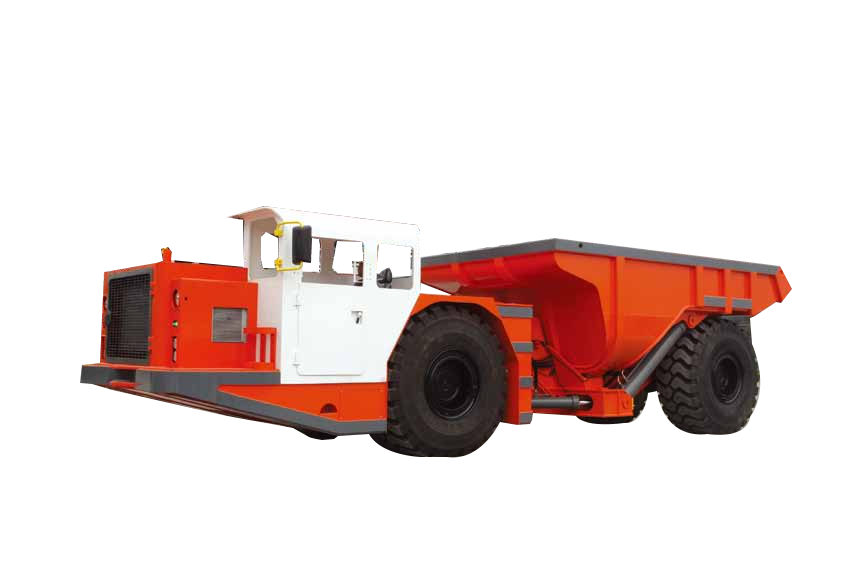
Now, let's compare the 30 - Ton Mine Truck's ventilation system with those of other trucks. We also supply 40 - ton Mine Truck and 12 - ton Mine Truck. The 40 - ton trucks usually have a more powerful ventilation system because they have a larger cab. They need to move more air to keep the driver comfortable. The ventilation ducts are bigger, and the fan is more powerful. On the other hand, the 12 - ton trucks have a smaller and more compact ventilation system. It's still effective, but it's designed to fit the smaller cab size and the lower air - flow requirements.
The 30 - ton Mine Truck strikes a good balance. It has a ventilation system that's powerful enough to keep the driver comfortable in a moderately sized cab. It's not as over - the - top as the 40 - ton truck's system, but it's also more robust than the 12 - ton truck's system.
If you're in the market for a mine truck, whether it's a 30 - ton, 40 - ton, or 12 - ton one, the cab ventilation system is something you should definitely consider. A good ventilation system can make a huge difference in the driver's comfort and safety. It can also extend the life of the truck's interior by reducing the amount of dust and debris that settles on the surfaces.
So, if you're interested in learning more about our 30 - Ton Mine Trucks or any of our other models, don't hesitate to reach out. We're always happy to have a chat and answer any questions you might have. Whether you're a small - scale mining operation or a large - scale company, we can work with you to find the right truck for your needs. Contact us to start the procurement process and let's see how we can get you the perfect mine truck.
References
- Manufacturer's manual for 30 - Ton Mine Trucks
- Industry research on mine truck ventilation systems