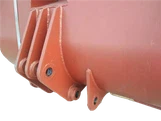
Can a 3 - Cubic Meter Bucket be used for transporting grains?
As a supplier of 3 - cubic meter buckets, I often get asked whether our product is suitable for transporting grains. This question is not only relevant to farmers and agricultural businesses but also to those involved in the food processing and storage industries. In this blog post, I'll delve into the technical aspects, advantages, and potential challenges of using a 3 - cubic meter bucket for grain transportation.
Technical Considerations
The first thing to understand is the volume and capacity of a 3 - cubic meter bucket. A cubic meter is a unit of volume that represents a cube with sides of one meter in length. So, a 3 - cubic meter bucket can hold a significant amount of grains. However, the actual amount of grains it can transport depends on the density of the grains.
For example, wheat has a bulk density of approximately 750 kg per cubic meter. So, a 3 - cubic meter bucket could theoretically hold about 2250 kg of wheat. But this is a rough estimate, as factors such as the moisture content, the way the grains are packed, and the shape of the bucket can all affect the actual capacity.
The design of the 3 - cubic meter bucket is also crucial. It should have a smooth interior surface to prevent grains from sticking and to ensure easy unloading. The edges of the bucket should be rounded to avoid damage to the grains during loading and unloading. Additionally, the bucket should be made of a material that is resistant to corrosion, as grains can sometimes contain moisture that could cause rusting.
Advantages of Using a 3 - Cubic Meter Bucket for Grain Transportation
One of the main advantages of using a 3 - cubic meter bucket is its large capacity. This means that fewer trips are required to transport a given amount of grains, which can save time and labor costs. For large - scale farms or grain storage facilities, this can result in significant savings in the long run.
Another advantage is the versatility of the 3 - cubic meter bucket. It can be attached to various types of machinery, such as front - end loaders or excavators. This allows for easy integration into existing farming or industrial operations. For instance, if a farm already has a front - end loader, they can simply attach our 3 - cubic meter bucket to it and start transporting grains without having to invest in new equipment.
In addition, our 3 - cubic meter buckets are designed with durability in mind. They are made from high - quality materials that can withstand the wear and tear of regular use. This means that they have a long service life, which further reduces the overall cost of grain transportation.
Potential Challenges
While there are many advantages to using a 3 - cubic meter bucket for grain transportation, there are also some potential challenges. One of the main challenges is the weight of the loaded bucket. When filled with grains, a 3 - cubic meter bucket can be quite heavy, which may put additional stress on the machinery to which it is attached. It is important to ensure that the machinery has the appropriate lifting capacity to handle the weight of the loaded bucket.
Another challenge is the potential for grain spillage. If the bucket is not properly sealed or if the loading and unloading processes are not carried out carefully, grains can spill out, leading to waste and potential safety hazards. To address this issue, our 3 - cubic meter buckets are equipped with a secure locking mechanism and are designed to minimize spillage.
Comparison with Other Bucket Sizes
To better understand the suitability of a 3 - cubic meter bucket for grain transportation, it's helpful to compare it with other bucket sizes. For example, a 1 - cubic Meter Side Support Frame may be more suitable for smaller - scale operations or for tasks that require more precision. It has a smaller capacity, which means it can be more easily maneuvered in tight spaces.
On the other hand, a Large Scraper Rock Bucket For Industrial Usage With Wear - Resistant Design (Custom Specifications Support) is designed for heavy - duty industrial applications. While it may have a larger capacity than a 3 - cubic meter bucket, it may not be as optimized for grain transportation due to its design, which is more focused on handling rocks and other heavy materials.
A 1.5 - cubic Meter Bucket offers a middle - ground option. It has a smaller capacity than a 3 - cubic meter bucket but is still larger than a 1 - cubic meter bucket. It may be a good choice for medium - sized farms or for operations that require a balance between capacity and maneuverability.
Conclusion and Call to Action
In conclusion, a 3 - cubic meter bucket can be an excellent choice for transporting grains, especially for large - scale operations. It offers a large capacity, versatility, and durability, which can result in significant cost savings and increased efficiency. However, it is important to consider the potential challenges and to ensure that the machinery used is capable of handling the weight of the loaded bucket.
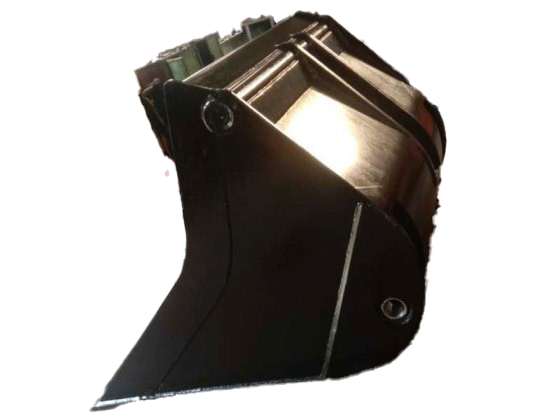

If you are interested in learning more about our 3 - cubic meter buckets or if you have any questions regarding their suitability for your grain transportation needs, please feel free to reach out. We are always happy to provide more information and to discuss your specific requirements. Our team of experts can help you determine the best solution for your operations.
References
- Grain handling and storage guidelines, various agricultural extension services.
- Machinery specifications and capacity data from equipment manufacturers.