Are low - profile scrapers suitable for industrial use?
In the vast landscape of industrial equipment, the choice of machinery can significantly impact operational efficiency, safety, and overall productivity. As a supplier of Low-profile Scraper, I've witnessed firsthand the diverse applications and benefits that these unique machines bring to various industrial sectors. This blog aims to explore whether low - profile scrapers are suitable for industrial use by delving into their design, functionality, and real - world applications.
Understanding Low - Profile Scrapers
Low - profile scrapers are specialized pieces of equipment characterized by their compact and streamlined design. Unlike traditional scrapers, which may have a more substantial and bulky structure, low - profile scrapers are engineered to operate in environments with limited vertical clearance. This design feature makes them ideal for use in areas where overhead space is restricted, such as underground mines, low - ceiling warehouses, and confined industrial facilities.
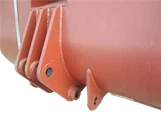
The key components of a low - profile scraper typically include a sturdy frame, a powerful engine, a scraping blade, and a hydraulic system. The frame is designed to withstand the rigors of heavy - duty use while maintaining a low profile. The engine provides the necessary power to drive the scraper and operate its various functions, while the scraping blade is responsible for collecting and moving materials. The hydraulic system controls the movement of the blade and other components, allowing for precise and efficient operation.
Advantages of Low - Profile Scrapers in Industrial Settings
Space Efficiency
One of the most significant advantages of low - profile scrapers is their ability to operate in tight spaces. In industries such as mining, where underground tunnels often have limited height, these scrapers can navigate through narrow passages with ease. This space - saving design not only allows for more efficient use of available space but also reduces the need for costly excavation or modification of existing infrastructure.
For example, in an underground coal mine, a low - profile scraper can access areas that larger equipment cannot reach. This enables miners to extract coal from previously inaccessible seams, increasing the overall yield of the mine. Similarly, in a warehouse with low ceilings, a low - profile scraper can move materials around without the risk of hitting overhead structures, improving operational safety and efficiency.
Maneuverability
Low - profile scrapers are highly maneuverable, thanks to their compact size and advanced steering systems. They can make sharp turns and navigate around obstacles with relative ease, which is crucial in industrial environments where space is at a premium. This maneuverability allows operators to quickly and efficiently move materials from one location to another, reducing downtime and increasing productivity.
In a manufacturing plant, for instance, a low - profile scraper can be used to clean up spills and debris in tight corners and along production lines. Its ability to move in and out of small spaces ensures that the plant remains clean and safe, minimizing the risk of accidents and equipment damage.
Versatility
Low - profile scrapers are versatile machines that can be used for a wide range of industrial applications. They can be equipped with different types of scraping blades and attachments to suit specific tasks, such as collecting loose materials, spreading granular substances, or cleaning surfaces. This versatility makes them a valuable asset in industries such as construction, agriculture, and waste management.
In the construction industry, a low - profile scraper can be used to grade and level the ground before building foundations. It can also be used to remove snow and ice from construction sites during the winter months. In agriculture, these scrapers can be used to clean barns, collect manure, and spread fertilizers. And in waste management, they can be used to collect and transport solid waste from landfills and recycling facilities.
Challenges and Limitations
While low - profile scrapers offer many advantages, they also face some challenges and limitations in industrial use.
Limited Capacity
Due to their compact design, low - profile scrapers typically have a smaller capacity compared to larger scrapers. This means that they may need to make more trips to transport the same amount of material, which can increase operating time and fuel consumption. In industries where large volumes of materials need to be moved quickly, this limited capacity can be a significant drawback.
Power Constraints
The compact size of low - profile scrapers also means that they may have less powerful engines compared to larger machines. This can limit their ability to handle heavy - duty tasks or operate in challenging terrains. For example, in a mining operation where the ground is rough and uneven, a low - profile scraper may struggle to move large amounts of rock or ore.

Maintenance Requirements
Low - profile scrapers, like all industrial equipment, require regular maintenance to ensure optimal performance. However, their compact design can make it more difficult to access certain components for maintenance and repair. This can increase the time and cost associated with maintenance, especially in remote or hard - to - reach locations.
Real - World Applications
Despite these challenges, low - profile scrapers have found widespread use in various industrial sectors.
Mining
In the mining industry, Professional Mine Scoop Factory-produced Underground Scraper For Mining are essential for underground operations. They are used to collect and transport ore, rock, and other materials from the mining face to the surface or to processing areas. Their ability to operate in low - clearance tunnels and narrow passages makes them invaluable in maximizing the efficiency of underground mining operations.
Construction
In construction, low - profile scrapers are used for site preparation, grading, and cleanup. They can be used to level the ground, remove debris, and spread gravel or asphalt. Their maneuverability and versatility make them ideal for working in urban areas or on small construction sites where space is limited.
Agriculture
In agriculture, low - profile scrapers are used for a variety of tasks, including cleaning barns, collecting manure, and spreading fertilizers. They can be easily maneuvered around livestock pens and farm buildings, making them a practical solution for maintaining a clean and productive farm environment.
Conclusion
In conclusion, low - profile scrapers can be highly suitable for industrial use, depending on the specific requirements of the application. Their space efficiency, maneuverability, and versatility make them a valuable asset in industries where space is limited or where precise material handling is required. However, their limited capacity, power constraints, and maintenance requirements need to be carefully considered before making a purchasing decision.
If you're in an industry that could benefit from the use of low - profile scrapers, I encourage you to reach out to discuss your specific needs. Our team of experts can provide you with detailed information about our products and help you determine if a low - profile scraper is the right choice for your operation. Whether you're looking to improve efficiency in a mining operation, streamline construction processes, or enhance agricultural productivity, we're here to assist you. Contact us today to start the conversation about how our low - profile scrapers can meet your industrial needs.
References
- Smith, J. (2020). Industrial Equipment Handbook. Publisher: XYZ Publishing.
- Johnson, A. (2019). Mining Equipment and Operations. Publisher: ABC Press.
- Brown, C. (2018). Construction Machinery and Techniques. Publisher: DEF Publications.