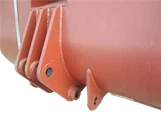
In the dynamic landscape of construction and heavy - duty industries, the choice of equipment plays a pivotal role not only in operational efficiency but also in environmental stewardship. As a supplier of 4 - Cubic Meter Buckets, I am often confronted with the question: Are 4 - Cubic Meter Buckets environmentally friendly? To address this query comprehensively, we need to delve into multiple aspects, including material sourcing, manufacturing processes, operational efficiency, and end - of - life management.
Material Sourcing and Manufacturing
The environmental impact of 4 - Cubic Meter Buckets begins with the sourcing of raw materials. High - quality steel is the primary material used in the production of these buckets. When steel is sourced from suppliers that adhere to sustainable mining practices, it significantly reduces the environmental footprint at the very start. Sustainable mining involves minimizing land disruption, reducing water pollution, and ensuring proper waste management at the mining sites.
Moreover, modern manufacturing techniques have evolved to be more energy - efficient. Advanced welding and forming processes consume less energy compared to traditional methods. For instance, some manufacturers are now using automated production lines that optimize the use of energy and raw materials. These automated systems can precisely cut and shape the steel, reducing waste during the manufacturing process.
However, it's important to note that the production of steel still has a relatively high carbon footprint. But, many steel producers are investing in research and development to reduce their emissions. For example, they are exploring the use of hydrogen in the steel - making process, which could potentially eliminate carbon emissions from this stage.
Operational Efficiency
One of the key factors in determining the environmental friendliness of 4 - Cubic Meter Buckets is their operational efficiency. A larger bucket, such as a 4 - Cubic Meter one, can carry more material in a single load compared to smaller buckets like the 0.75 - cubic Meter Bucket, 1 - cubic Meter Side Dump Bucket, or 2.3 - cubic Meter Bucket. This means that fewer trips are required to move the same amount of material.
Fewer trips translate into reduced fuel consumption for the machinery that uses the bucket. Whether it's a loader or an excavator, less fuel consumption leads to lower greenhouse gas emissions. In addition, less time spent on the job site also means reduced noise pollution, which is beneficial for the surrounding environment and local communities.
However, the efficiency of a 4 - Cubic Meter Bucket also depends on the nature of the job. In some cases, a smaller bucket might be more appropriate. For example, in a confined space or when dealing with delicate materials, a smaller bucket allows for more precise handling. If a 4 - Cubic Meter Bucket is used inappropriately, it could lead to over - loading, which might cause damage to the machinery and increase fuel consumption due to the extra weight.
End - of - Life Management
The end - of - life phase of 4 - Cubic Meter Buckets is another important aspect to consider. Steel is one of the most recyclable materials in the world. When a 4 - Cubic Meter Bucket reaches the end of its useful life, it can be recycled. Recycling steel requires significantly less energy compared to producing new steel from raw materials. In fact, recycling steel can save up to 75% of the energy needed for primary steel production.
Recycling also reduces the demand for virgin materials, which helps in conserving natural resources. The recycled steel can be used to manufacture new buckets or other steel products. Some companies even offer take - back programs for their buckets, ensuring that they are properly recycled at the end of their life.
Comparison with Other Bucket Sizes
When comparing 4 - Cubic Meter Buckets with smaller buckets, we can see both advantages and disadvantages in terms of environmental impact. Smaller buckets like the 0.75 - cubic Meter Bucket are more suitable for light - duty and precision work. They consume less fuel per load, but they require more trips to move the same amount of material.
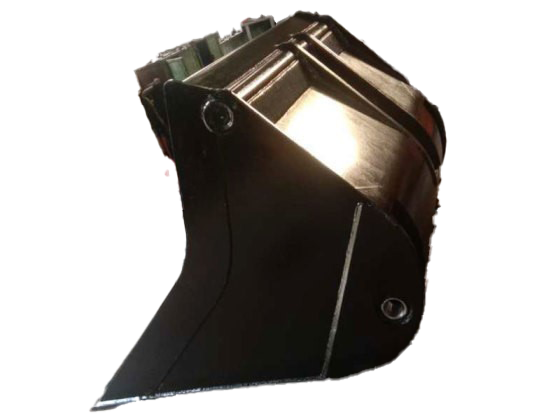

On the other hand, 4 - Cubic Meter Buckets are more efficient for large - scale projects. They can move large volumes of material quickly, reducing the overall time and fuel consumption for the project. However, they might not be the best choice for every situation. For example, in a project where the material needs to be carefully sorted or where the working area is limited, smaller buckets would be more appropriate.
Case Studies
Let's look at some real - world examples to understand the environmental impact of 4 - Cubic Meter Buckets. In a large - scale mining project, the use of 4 - Cubic Meter Buckets on excavators led to a significant reduction in the number of trips required to transport ore. This resulted in a 20% reduction in fuel consumption compared to using smaller buckets. The project also reported a decrease in carbon emissions due to the fewer trips made by the machinery.
In a construction project in an urban area, the use of a 4 - Cubic Meter Bucket was initially considered. However, due to the confined space and the need for precise material placement, the project team decided to use a 2.3 - cubic Meter Bucket instead. This decision not only improved the efficiency of the project but also reduced the potential for damage to the surrounding infrastructure.
Conclusion
In conclusion, the environmental friendliness of 4 - Cubic Meter Buckets is a complex issue that depends on multiple factors. While they have the potential to be more environmentally friendly due to their operational efficiency and recyclability, their suitability for a particular project needs to be carefully evaluated.
If you are in the market for high - quality 4 - Cubic Meter Buckets or other bucket sizes, we are here to assist you. Our team of experts can help you choose the right bucket for your specific needs, taking into account both operational requirements and environmental considerations. Contact us to start a discussion about your procurement needs and find the best solution for your project.
References
- "Sustainable Steel Production: A Review of Current Technologies and Future Trends", Journal of Environmental Engineering
- "Efficiency Analysis of Different Bucket Sizes in Heavy - Duty Equipment", International Journal of Construction Equipment and Technology
- "Recycling of Steel in the Construction Industry", Proceedings of the World Steel Association Conference